

























































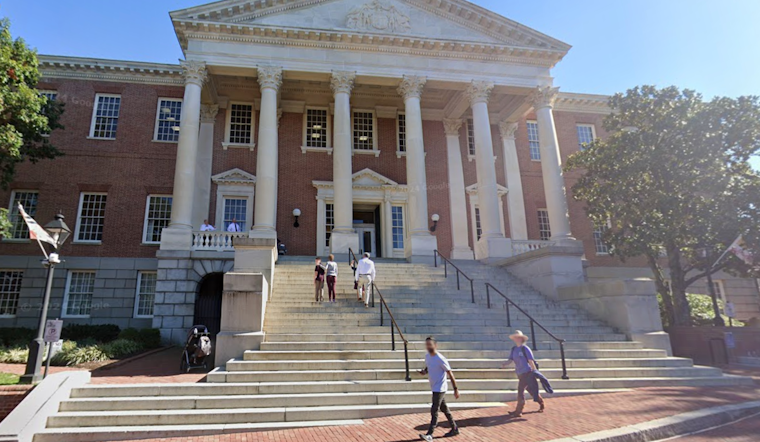
Maryland lawmakers in Annapolis moved quickly this spring to set up a state-led commission that would finally confront the deaths and unmarked graves of Black boys at the Cheltenham youth campus in Prince George’s County. Companion measures in the Senate and House glided forward with virtually no resistance, the result of years of reporting and quiet but steady pressure from families and advocates. The plan would place the attorney general’s office in charge of a forensic, genealogical, and archival effort to identify those who died, reach their descendants, and recommend policy changes.
Senate bill spells out a sweeping mandate
Senate Bill 776, sponsored by Sen. William C. Smith Jr., cleared the chamber in early March on a 45-0 vote. According to the bill text on the Maryland General Assembly, the measure would create the Commission on the House of Reformation and Instruction for Colored Children. It would authorize contracted experts to carry out forensic anthropology and archaeological surveys, including exhumations when appropriate, grant access to sealed juvenile and medical records, and set up a genealogical DNA database to help match remains to families.
Years of digging by reporters and families forced the issue
The legislative push follows investigative work and state reviews that documented a grim history at the former House of Reformation. Capital News Service has reported that roughly 230 Black boys died there while in state custody in the late 19th and early 20th centuries. Supporters say the commission is designed to center descendants and public truth-telling, not just file a report and move on. Deputy Attorney General Zenita Wickham Hurley told lawmakers the office would erect internal “conflict walls” and bring in independent investigators so the work stays separate from any future lawsuits. The Department of Juvenile Services has already secured a $200,000 grant for ground-penetrating radar and cemetery restoration, as Capital News Service reported.
House backs companion bill in near-unanimous vote
On the other side of the State House, a companion bill introduced by Del. Jeffrie E. Long Jr. sailed through the House on a 129-1 vote, underscoring broad bipartisan backing for a public accounting of what happened at the Cheltenham campus. The House version was reshaped into a commission model that formally directs the Office of the Attorney General to run the investigation, according to the bill record on the Maryland General Assembly.
What happens if the bills cross the finish line
If both chambers pass identical language and the governor signs off, the commission would be required to deliver an initial report by Dec. 31, 2027, and a final report by Dec. 31, 2029. The Attorney General’s office has told reporters it has already started the preliminary work needed to stand up the commission and expects to hold an organizational meeting this fall, with substantive investigation to follow, according to reporting in the Baltimore Sun.
Why families and advocates say the commission matters
Relatives of survivors, historians, and civil-rights advocates have welcomed the votes as a long-overdue step toward truth and memorialization after years in which the burial ground, in some areas marked only with cinder blocks, was largely overlooked. The investigation has been identified as a priority of the Legislative Black Caucus. Supporters say the commission’s public findings, genealogical outreach, and reform recommendations could finally offer some measure of accountability and recognition for descendants, as AFRO reported.



