

























































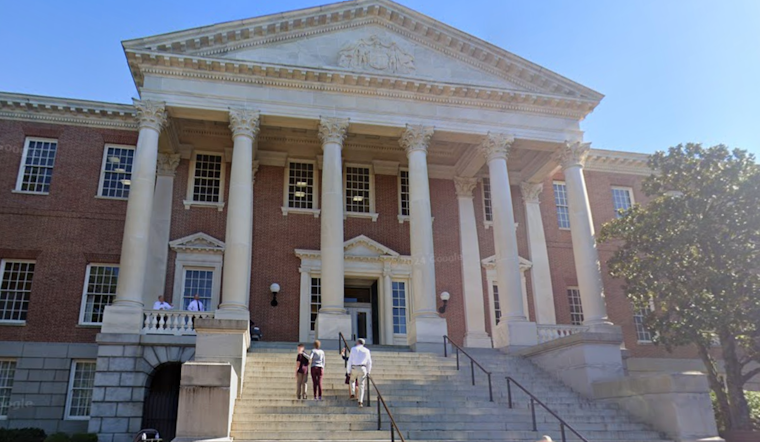
House Bill 17, the Annapolis measure that would bring full-scale internet casino gaming to Maryland, has reignited a familiar fight over money and machines. The proposal would let state regulators license online slots, table games, poker and live-dealer products, while routing a share of the proceeds into Maryland’s education fund. Casino operators and tech vendors are lining up in support, unions and public health advocates are throwing flags, and lawmakers are trying to decide whether the promised new revenue is worth changing how and where Marylanders place their bets.
What HB 17 Would Change
As drafted, the bill gives the State Lottery and Gaming Control Commission authority to issue internet gaming licenses to existing video lottery operators and other qualified applicants, set age-verification and responsible gaming requirements, and create a Video Lottery Facility Employee Displacement Fund for workers who lose jobs as the market shifts online. HB 17 would set a 5-year license term with a $1.0 million initial license fee, and it requires each licensee to invest at least $5.0 million during that first term in building and operating a live-dealer or film and TV studio in Maryland. The full framework is laid out in the bill text posted by the Maryland General Assembly.
How Much Money Are We Talking?
In a fiscal and policy note, the Department of Legislative Services estimates special fund revenues of about $66.6 million in fiscal 2027, growing to roughly $321.4 million by fiscal 2030, if voters sign off on the referendum and licenses are issued on schedule. That analysis assumes licensees keep 80% of live-dealer proceeds and 45% of other internet gaming proceeds, with the rest flowing into the Blueprint for Maryland’s Future Fund that supports public education. DLS also bakes in a gradual market ramp and projects that internet play would cut into brick-and-mortar video lottery terminal and table game proceeds by around 10% once the market matures, with detailed distributions and assumptions laid out in the full note. Department of Legislative Services
Local Floors, Jobs and the Black Market
Supporters argue that legal iGaming would pull back dollars Marylanders now spend on offshore sites or gray-area sweepstakes apps, while giving the state tools to protect local communities. As reported by Eye On Annapolis, the bill sets aside specific distributions for jurisdictions that host existing video lottery facilities in an effort to soften any local impact, and it establishes funds aimed at helping displaced workers land on their feet. The revenue and cannibalization estimates lean heavily on a regulator-commissioned study from The Innovation Group, which modeled a fully ramped Maryland iGaming market in the high hundreds of millions of dollars per year and projected about a 10.2% hit to brick-and-mortar gross gaming revenue in more mature markets. The Innovation Group
Who’s For It, Who’s Against It
Industry backers told the House Ways and Means Committee that HB 17 would modernize Maryland’s gaming landscape and lure players away from offshore, unregulated platforms. Opponents countered with concerns about job losses on casino floors and the potential public health fallout. Coverage of the February 10 hearing captured a broad array of testimony and written statements from casino companies, technology vendors, and other stakeholders. Public health and treatment experts, including the Maryland Center of Excellence on Problem Gambling, have urged lawmakers to move cautiously and build in tougher safeguards, pointing to other states where helpline demand surged after iGaming launches. Casino Reports noted the mix of witnesses, and the Center details its treatment options and helpline services on its website. Maryland Center of Excellence on Problem Gambling
What Happens Next
Because HB 17 would change the state constitution, the plan only takes effect if voters approve it. The bill links the proposal to a statewide referendum on the November 2026 ballot. If voters say yes, regulators and lawmakers would then move into licensing and rulemaking. DLS modeling assumes commercial iGaming could begin feeding state special funds in fiscal 2027 under a reasonably smooth rollout, although the real timeline depends on how quickly licenses are issued, how complex the regulatory process gets and whether any legal or political fights slow things down. Expect a public brawl that runs through 2026, complete with industry advertising and coalition campaigns, and an eventual verdict on whether Maryland’s digital gambling future is steered from Annapolis or left to offshore apps.



