

























































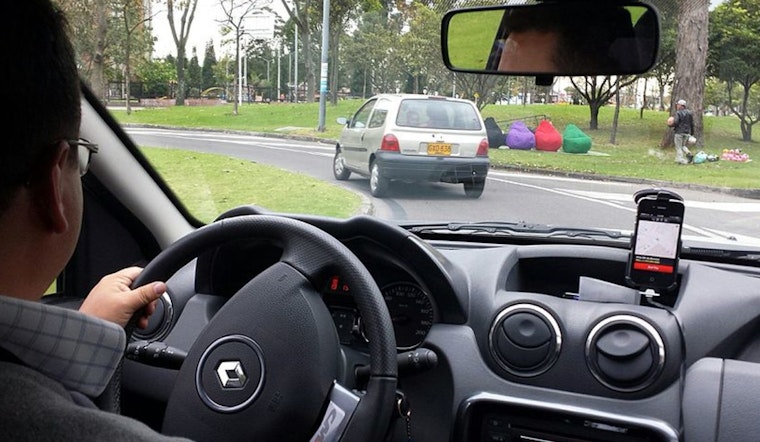
An attorney tied to a metro Atlanta trafficking case is sounding the alarm that rideshare apps are quietly helping traffickers pick up and move victims across the region. The warning is putting fresh pressure on how companies verify riders, screen drivers and flag suspicious trips that look perfectly ordinary to everyone else.
In an interview with 11Alive, the attorney said traffickers are using rideshare platforms to gain access to victims and to transport them around metro Atlanta. The station's video report lays out those concerns and features advocates who say common app workflows can be twisted so that deeply troubling pickups blend right into the stream of everyday rides.
Local Lawsuits And Earlier Cases
Attorneys in Atlanta and around Georgia have already pointed to lawsuits and civil claims that name rideshare companies as links in trafficking chains. The Atlanta Journal-Constitution reported last year on a lawsuit that says an Uber pickup of a 14-year-old led to the teen being transported to a trafficker, a case lawyers frequently cite when they argue for tougher accountability for the platforms.
National Data And Federal Scrutiny
Advocates say transportation of all kinds, from cars to buses to planes, shows up again and again in trafficking reports, and national data highlights how many people are reaching out for help. Polaris reports that the National Human Trafficking Hotline logged more than 32,000 signals in 2024, including thousands of contacts from victims and survivors.
In Washington, Sen. Jon Ossoff has pressed inquiries and backed legislation in recent years that focus on protecting minors and tightening oversight of rideshare platforms, a sign that the concerns raised in Atlanta are very much on the radar at the federal level.
Airport Stings, Fake Drivers And Police Warnings
Some of the risks show up most clearly in busy travel hubs. Quartz detailed an 11Alive hidden-camera investigation at Hartsfield-Jackson that caught people approaching passengers in baggage claim and offering rides. Police later warned that beyond garden-variety scams, off-app solicited rides can create situations that raise trafficking fears.
Airport officials have urged travelers to stick with rides that are dispatched through the app and to double-check the driver's name, car and license plate before getting in, even if they are tired and just want to get home.
Company Responses And Possible Fixes
Rideshare companies say they are pouring money into training, in-app safety tools and new verification pilots that are supposed to make trips safer. Lawyers and advocates counter that those steps still fall short of what is needed. The AJC has noted that the platforms have pushed back and pointed to ongoing prevention efforts even as plaintiffs keep pressing for stronger policies and tighter oversight.
What Riders And Officials Can Do
Safety experts say riders should treat basic precautions as non-negotiable: verify the driver’s name, photo and license plate in the app, share trip details with a trusted contact and refuse rides from anyone soliciting trips in airports or parking lots instead of going through the app.
If you suspect trafficking, advocates stress that national hotlines remain a key lifeline. The National Human Trafficking Hotline can be reached at 1-888-373-7888 or by texting "BeFree" to 233733, according to Polaris.





.jpg)