

























































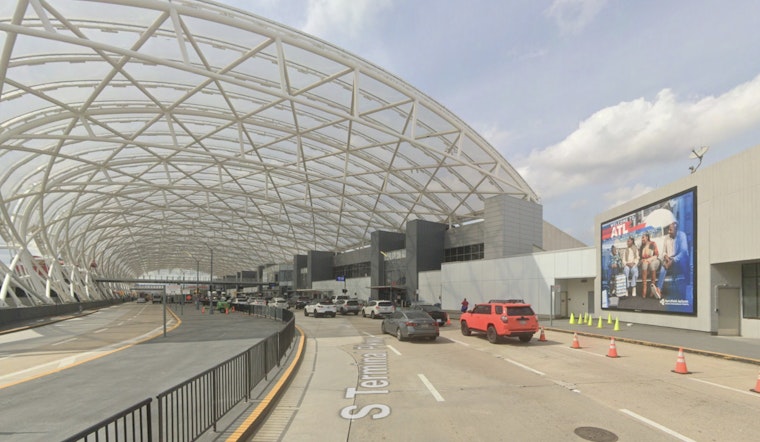
Hartsfield-Jackson Atlanta International Airport is still the heavyweight champ of global air travel, holding on to its title as the world’s busiest airport with 106.3 million passengers in 2025. The latest tally keeps Atlanta ahead of some of the biggest international hubs and underscores just how central ATL is to the U.S. travel network.
ACI’s 2025 snapshot
According to Airports Council International, ATL processed 106.3 million passengers in 2025, with Dubai International and Tokyo Haneda following at roughly 95.2 million and 91.7 million travelers. ACI estimates that global passenger volumes climbed to about 9.8 billion last year, with the group stressing that these are preliminary numbers that will be refined when full data is confirmed in July. “We congratulate the world’s busiest airports for managing growing air travel demand amid increasing operational complexity,” ACI World Director General Justin Erbacci said in the release.
What it means for Atlanta
Airport officials say ATL remains Georgia’s economic engine, generating more than $66 billion in annual economic impact and providing over 63,000 jobs on-site, according to the airport’s About page. The fresh number-one ranking feeds momentum for ATLNext, the airport’s multi‑billion dollar modernization program designed to preserve capacity and improve passenger experience. Local leaders routinely use the airport’s global status to help lure new routes, jobs and development across the region.
Numbers and trends
ATL’s 2025 total represents a small dip from the roughly 108,067,766 passengers recorded in 2024, according to reporting that drew on ACI’s prior dataset. Industry coverage notes that the global lineup is shifting as Asia‑Pacific demand rebounds, with visa changes and reopened markets pushing airports such as Shanghai Pudong higher in the rankings and reshaping the top 10. ATL’s 2024 return to the top is Hoodline’s earlier look at how Hartsfield-Jackson reclaimed its crown last year.
Traveler takeaway
For passengers, all of this translates into packed concourses, dense domestic connections and continued strain during peak hours, since several U.S. hubs crowd the top of the rankings and domestic traffic remains heavy. Local coverage frames the accolade as both a civic bragging right and a logistical headache for transit, parking and ground access, as noted by 95.5 WSB. Airlines and airport planners will be watching the ACI data closely as they finalize summer schedules and sort out which capacity projects to prioritize in the year ahead.
ACI’s preliminary release offers an early read on 2025 traffic trends, with final, confirmed rankings set to arrive later this summer. For now, Hartsfield‑Jackson’s grip on the top spot keeps Atlanta firmly at the center of national air travel and the regional economy.





