

























































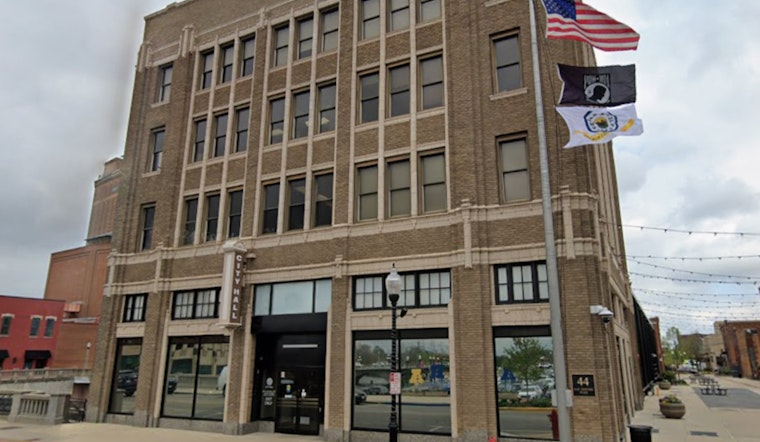
Aurora has signed off on a $400,000 payout to community organizer George Gutierrez to settle a federal civil rights lawsuit stemming from a 2020 traffic stop, according to city and court records. The deal, approved by the city in late February, wraps up claims against two Aurora police officers after a 2025 federal jury found one of them used excessive force. Gutierrez says the money will not slow him down; he plans to keep organizing and pushing for changes to policing in Aurora.
Jury verdict, motions, and appeal
In 2025, a federal jury found Officer Corey McCue used excessive force and awarded Gutierrez $50,000 in compensatory damages and $1,000,000 in punitive damages. The defendants quickly fired back with post trial motions challenging the size of the award. The city and the officers then filed an appeal later in 2025, before the case ultimately settled, according to court filings and docket entries.
For a blow by blow look at the trial, the post trial motions and related filings, see the court docket and documents at Justia Dockets & Filings.
What the settlement does
As reported by the Chicago Tribune, the city council signed off on the $400,000 settlement in late February, and the parties agreed to a stipulated dismissal of the federal case. Court papers and local reporting note that the punitive damages awarded at trial were reduced during post trial proceedings before the final payout was negotiated.
According to the Chicago Tribune, city officials said the settlement should not be read as an admission of wrongdoing. Police Chief Matt Thomas also agreed to meet with Gutierrez and his attorneys to talk about possible department improvements, signaling that the legal truce may be followed by policy discussions.
How the traffic stop unfolded
The lawsuit traces back to an April 26, 2020 stop near Gutierrez’s home. The federal complaint and video referenced in court filings state that officers pulled Gutierrez from his car, one officer broke the driver’s side window, and officers forcibly removed and restrained him. The complaint filed in the Northern District of Illinois lays out the sequence of commands, the officers’ actions and the physical contact that ultimately fueled the excessive force claim.
For the full narrative and case record, see the filed complaint and related court documents in the federal complaint.
Legal status: appeal and dismissal
The city lodged an appeal in December 2025, but that move turned into something of a legal placeholder once the parties reached a settlement and the district court case was terminated in early February, according to docket listings and reporting. Before the appeal, defendants argued in post trial motions that the punitive award was excessive and asked for either remittitur or a new trial.
The paper trail of post verdict motions and the timing of the appeal is laid out in the appellate docket and district filings. For the appellate snapshot, see the Seventh Circuit docket report at Justia Dockets.
Gutierrez's response and next steps
Gutierrez, who has been a regular presence at local civic meetings and runs the Chicano Times, says he will keep organizing and pressing for police accountability, according to his legal team and advocacy partners. His attorneys and First Defense Legal Aid have framed the case as part of a broader push to force community conversations about policing and responsibility for misconduct.
Public records show Gutierrez has addressed city officials at meetings in the past, highlighting his profile as a local organizer. For additional context on his role and advocacy, see city meeting minutes at Aurora City records and an advocacy summary by First Defense Legal Aid.
The settlement closes out a closely watched dispute without a final word from the appellate court, leaving Aurora to juggle fiscal and political fallout while Gutierrez and local activists continue to push for reform. Officials say the agreement ends the federal case but opens the door to talks about policy and training changes that Gutierrez and his lawyers hope will translate into concrete shifts in how Aurora police operate on the street.





