

























































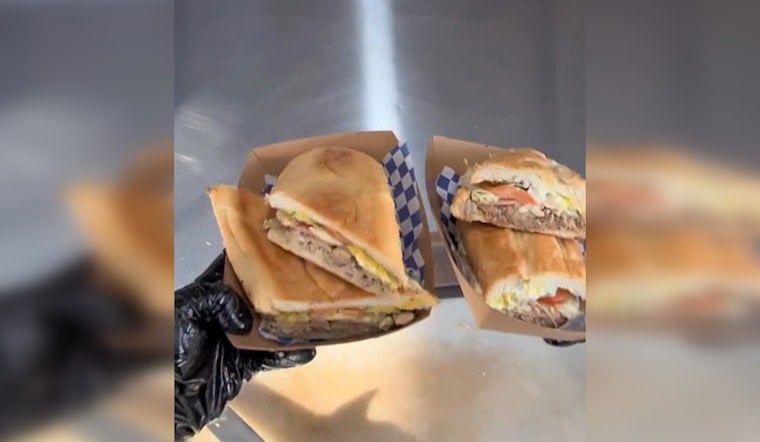
At just 19, Connor Garbo has turned years of back-of-house grind into Cowboy Cubans, a new pressed sandwich truck parked at 620 W. 29th Street in Austin. He rolled out the concept this spring right as state leaders were busy rewriting the rulebook for mobile food vendors. The looming change, House Bill 2844, shifts permitting and inspections to the Texas Department of State Health Services starting next summer and blows up the patchwork of local fees and rules food truck owners have been juggling for years.
In an interview with KXAN, Garbo called the launch “a dream come true” and said early demand has been hot enough that he is eyeing nearby suburbs for expansion. He told the station that social media took his weekly pork sales from roughly 20 pounds to more than 200, and that time in Michelin-starred kitchens and private-chef jobs gave him the technique behind the sandwiches. Garbo says a portable permit could help him say yes to more events outside Austin without getting hit with duplicate local fees.
Statewide permit gives vendors one license and new fees
According to The Texas Tribune, HB 2844 creates a single statewide operating permit run by the Department of State Health Services and forces mobile units into one of three license tiers based on how food is prepared. The permitting and inspection rules kick in on July 1, 2026. DSHS projects it will license about 19,000 mobile units and could collect up to $17 million a year in fees. The law also orders up a public database listing trucks, inspection results, and complaints, and gives the state authority to fine operators or suspend licenses when they break the rules.
Sponsor frames it as cutting red tape
Representative Brooks Landgraf, who wrote the bill, argues that the overhaul is about clearing cluttered bureaucratic lanes, not lowering the bar on food safety. In a statement on his website, Landgraf said the bill “provides a consistent, statewide framework for health permitting, cutting red tape while keeping food safety standards strong.” Supporters say that consistency means entrepreneurs can spend less time driving paperwork between agencies and more time at the grill.
Austin officials worry about lost revenue and slower response
City and county health leaders see a different side of the story. They warned that the shift will drain local permit revenue and could slow complaint and outbreak investigations, according to Community Impact. Austin Public Health told county commissioners it expects to lose around $635,000 a year tied to permitting and inspections, and that roughly 540 mobile food vendors are currently operating in the area. Officials say local teams can often respond to suspected foodborne illness within 24 hours, and some worry a centralized state system could slow that turnaround when time matters most.
How enforcement and fees will shift
Under HB 2844, DSHS will set the fee schedule and hire inspectors, and some trucks that previously paid little or nothing in local charges could face new state bills. The Texas Tribune reports that fee tiers could range from several hundred dollars to more than a thousand for an initial license. Local health departments will be allowed to contract with the state to handle inspections and then get reimbursed. For cities, the tradeoff is straightforward: they keep control over where trucks can operate and park, but they lose the permitting revenue that has long helped pay for on-the-ground inspections.
What it means for vendors like Garbo
For operators such as Garbo, a single state license looks like both an on-ramp to growth and a fresh set of upfront costs. Cowboy Cubans lists its hours, menu, and Garbo's background, including training overseas and work as a private chef in Key West, on the Cowboy Cubans site. He says easier cross-jurisdiction permitting could make it far simpler to book events outside Austin without paying the same kinds of fees again and again, but he and other truck owners will be watching DSHS rule-making closely to see how the numbers shake out.
Legal implications
HB 2844 preempts local ordinances that conflict with the state framework and centralizes health permitting at the state level, while leaving cities room to police zoning and public safety rules, according to Representative Landgraf's office. How courts and local governments interpret the overlap between statewide permits and municipal regulations will hinge on the fine print DSHS eventually adopts and on how quickly local agencies decide to contract with or support the new model. For now, vendors like Garbo have a relatively short runway before July 1, 2026, when rule-making and intergovernmental agreements will determine what all of this looks like in the day-to-day life of a food truck.


