

























































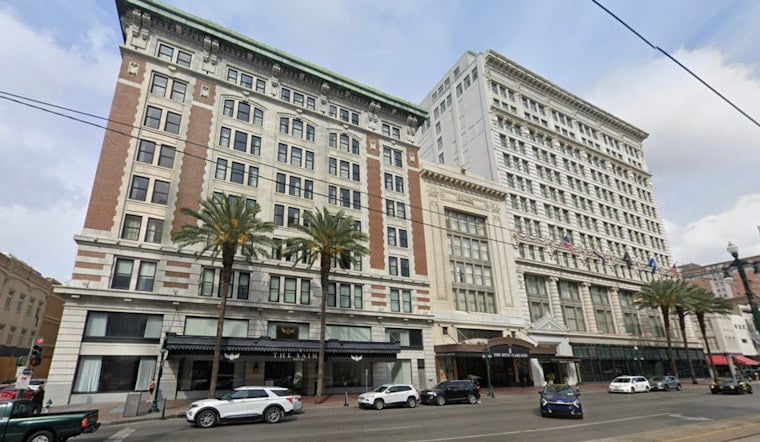
New Orleans' hotel industry pumped nearly $9 billion into the city's economy in 2025 and supported more than 51,000 jobs, or roughly one in five workers in the city, a new analysis finds. Hotels contributed almost $5 billion to New Orleans' GDP and generated about $1.2 billion in federal, state and local tax revenue while selling roughly 7.1 million room nights over the year. Together, the numbers show how festivals, conventions and steady visitor demand keep hospitality squarely at the center of the local economy.
The analysis was prepared by Oxford Economics for the American Hotel & Lodging Association and is built on property-level performance and visitor-spending models. AHLA releases national and city-by-city impact estimates that combine hotel performance data with modeled visitor spending. For New Orleans, the figures were modeled for the 12-month stretch ending in November 2025, according to local reporting.
The city-level picture, covering about 7.1 million room nights sold across 207 properties with more than 30,600 guest rooms and an estimated $5.4 billion in visitor spending, or about $756 per room night, was detailed by New Orleans CityBusiness. "New Orleans' hotel industry is the heartbeat of the city's economy and a core part of what makes it so attractive to visitors," AHLA President and CEO Rosanna Maietta said in a statement cited by CityBusiness. Local officials cast the findings as confirmation that hotels anchor both jobs and basic services, with Mayor Helena Moreno calling the sector "the foundation" of the tourism economy and state leaders signaling support for policies that keep the market competitive.
How the dollars flow
The study estimates that total tax revenue tied to hotels reached about $1.2 billion in 2025, including roughly $405 million in local taxes, $34 million in state taxes and about $495 million in federal collections, according to New Orleans CityBusiness. Guest spending stretches well beyond room rates into restaurants, ride services, retail and entertainment, multiplying the sector's direct contribution to city GDP. That ripple effect is a big part of why filling hotel rooms matters not only to owners, but also to small businesses and to public budgets that rely on those tax streams.
Costs and what comes next
At the same time, AHLA's 2026 State of the Industry report flags that property-level operating costs such as insurance, utilities and labor have risen faster than revenue growth since 2019, which has squeezed profits for many operators. AHLA also notes that international visitation is still running below pre-pandemic levels, a problem for destinations that depend heavily on high-spend overseas travelers. Industry leaders point to that mix of higher costs and uneven demand when they argue for regulatory relief, workforce investment and policies aimed at supporting year-round occupancy.
For New Orleans, the headline numbers function as both scoreboard and roadmap. Hotels are still delivering substantial tax revenue and jobs, yet operators warn that margins remain thin without targeted help on costs and labor. City and state officials are likely to lean on the new data as they push for measures that keep rooms full, bolster long-term hospitality careers and safeguard the revenues that fund local services. How that plays out in actual policy is the part everyone in the tourism world will be watching.




