

























































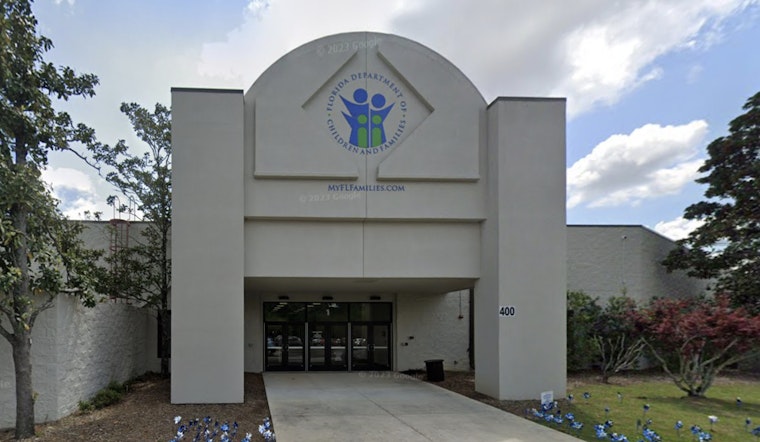
Florida families say they never saw it coming. One day an older relative is living at home, the next state investigators have moved them into an assisted living facility with little warning, and loved ones are scrambling to figure out what just happened. Attorneys and elder-care specialists say this kind of shock is exactly what solid advance planning is meant to prevent. A durable power of attorney, an updated living will and clearly named health care surrogates often spell the difference between a short-term safety intervention and a drawn-out court battle.
As reported by the Miami Herald, adult protection investigators with the Florida Department of Children and Families can, in emergencies, take vulnerable adults into state custody and place them in assisted living facilities. The outlet quotes lawyers who say that when advance planning is missing, families often find themselves pulled into sudden disputes over both care and assets.
How Florida Can Step In
The Department of Children and Families' Adult Protective Services unit investigates reports of abuse, neglect or exploitation of vulnerable adults. In cases where investigators believe there is immediate danger, they can seek emergency custody or court orders and arrange care placements, including moves into assisted living. The goal is safety, but for relatives those actions can feel abrupt and almost impossible to undo. The agency's own guidance describes investigators' authority and lists the hotline for reporting concerns. According to the Florida Department of Children and Families, protective staff coordinate with law enforcement and the courts when they decide quick intervention is required.
Rights and Guardianship
Even when someone is removed from their home for safety reasons, they still have legal rights. They can challenge the removal and relocation in court and are entitled to legal representation in guardianship proceedings. Florida's guardianship law requires judges to appoint counsel for people alleged to be incapacitated during summary proceedings, and attorneys say wards can ask the court to review where they have been placed. Those protections appear in state law and in recent case reporting. Chapter 744 of the Florida Statutes spells out the rules for incapacity hearings and the appointment of counsel, and the Miami Herald quotes elder-law attorneys on how courts and lawyers handle appeals of placement decisions.
What Experts Recommend Now
Board-certified elder-law attorneys repeatedly come back to the same checklist: put core documents in place long before there is a crisis. That usually means a durable power of attorney for finances, a separate health care surrogate designation and a living will. Scott Solkoff, who has written extensively on advance directives, points to these tools as a first line of defense, and his firm's guides walk through how to make directives "self-proving" so health providers and courts are more likely to accept them quickly. Experts also suggest keeping a clear list of doctors, medications, bank contacts and where original documents are stored so that anyone reviewing a situation can move faster. For practical step-by-step advice, see Solkoff Legal.
Who Is Most Vulnerable
People who live alone and have no close family or local support, often called "solo agers," are at particular risk for surprise interventions and lengthy guardianship fights. National reporting and surveys find this group is growing. Analysts estimate that roughly 22 million older adults lack nearby family support, and about a quarter of older adults live without partners or available children. That shift helps explain why elder-law attorneys say planning and building local support systems matter more than ever. See coverage from Kiplinger and research highlighted by AARP.
If You Find Yourself in Court
When state investigators move an older person into an assisted living facility, attorneys say families should act quickly. Immediate steps include asking for the written court or agency order authorizing the move, requesting an expedited hearing and making sure the judge has appointed an attorney if one is not already involved. Reaching out to a Florida elder-law attorney or a legal aid office, as well as notifying the long-term care ombudsman and the facility's administration, can help relatives get a clearer picture of what is happening. The Department of Children and Families website lists reporting contacts and the abuse hotline. Families are also advised to gather financial and medical records and be ready to present realistic alternatives to removal, such as in-home services or detailed family caregiving plans. For more on legal timelines and appointed counsel, review the Florida Department of Children and Families and the state's guardianship statutes.
Attorneys and advocates say the core lesson is not glamorous but it is powerful. Paperwork, clear communication and early legal help can significantly reduce the chance that a short-term safety move turns into a long and painful loss of autonomy. Planning ahead keeps more control in the older person's hands and helps families avoid the bitter fights that so many now describe.




