

























































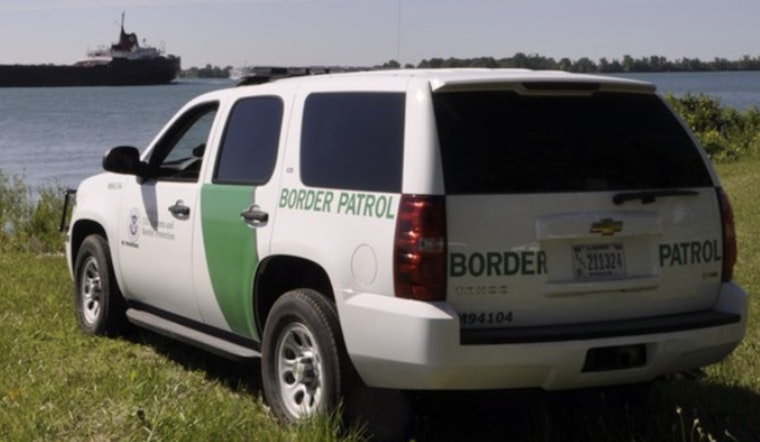
Over five days at the end of March, U.S. Customs and Border Protection officers working under the Laredo Field Office quietly stacked up a serious tally: five fugitives wanted on felony warrants, all spotted at Texas ports of entry and pulled out of the traffic flow before they could slip any farther into (or out of) the country.
The group, according to CBP, included Victoria Fernandez Lopez, who is facing indecency-with-a-child allegations; José Arturo Alfaro Acuña, wanted on an international homicide and abuse-of-office warrant; Efren Gonzalez Dominguez, wanted for sexual assault; and both Epifanio Benitez and Joel Herrera, each wanted for sexual assault of a child. Officers processed the arrests between March 27 and March 31 at several crossings and then handed the detainees either to county jails in Texas or to foreign authorities, depending on who had the outstanding warrant.
A Department of Homeland Security news release summarized by Dallas Express lays out the timeline. On March 27, officers at Laredo’s Colombia - Solidarity Bridge detained Fernandez Lopez and turned her over to the Webb County Sheriff’s Office. Two days later, CBP officers at Brownsville’s Gateway International Bridge encountered Alfaro Acuña and, as CBP described it, transferred him to Mexican authorities. Additional stops at Eagle Pass, the Juárez - Lincoln Bridge in Laredo and the Anzalduas International Bridge rounded out the week’s fugitive arrests.
“In the span of just five days, CBP officers at ports of entry in the Laredo area apprehended five fugitives with felony charges,” Acting DHS Assistant Secretary Lauren Bis said in a statement, as reported by the Daily Caller News Foundation. She noted that the allegations involved homicide, sexual assault and indecency with a child, underscoring that these were not minor paperwork cases.
How CBP Flags Fugitives
CBP and local coverage describe a fairly tech-heavy process behind what can look like a simple passport check. Officers use biometric verification tools along with the National Crime Information Center database to spot travelers who might be wanted elsewhere, then move them to secondary inspection for closer review and warrant confirmation.
KGNS has detailed how officers at crossings like the Juárez - Lincoln and Anzalduas bridges run those checks as part of daily operations, flagging outstanding felony warrants and then looping in partner agencies when they get a hit.
Mexican Custody Update
One of the week’s arrests did not stay neatly wrapped up. Mexican outlets later reported that the case of Alfaro Acuña took a sharp turn. Reforma and regional media say that Alfaro Acuña, the suspect CBP said it had turned over to Mexican officials, escaped custody during a transfer at the Centro de Justicia in Ciudad Victoria on April 4.
Mexican authorities launched search efforts in the area after the reported breakout, a development that highlights how complicated things can get once a high-profile suspect crosses jurisdictions and lands in a foreign justice system.
What Happens Next
For the fugitives who remained in U.S. custody, CBP turned them over to deputies in Webb, Maverick and Hidalgo Counties so local prosecutors can decide whether and how to pursue charges, according to Dallas Express. Any extradition questions or cross-border follow-up will run through those local and international partnerships that CBP relies on when a wanted person surfaces at a port of entry.
Federal reporting on Laredo Field Office operations notes that these kinds of fugitive catches are a regular feature of life at the ports, not rare flukes, and Federal Newswire has tracked a string of similar cases in the region this year.
For travelers, it is a reminder that the bridges in and out of South Texas are more than just lines for cargo trucks and family road trips. They are also choke points where federal officers routinely match faces and fingerprints against serious outstanding warrants, then move quickly to get wanted suspects into the hands of whatever agency is waiting on the other side.





