

























































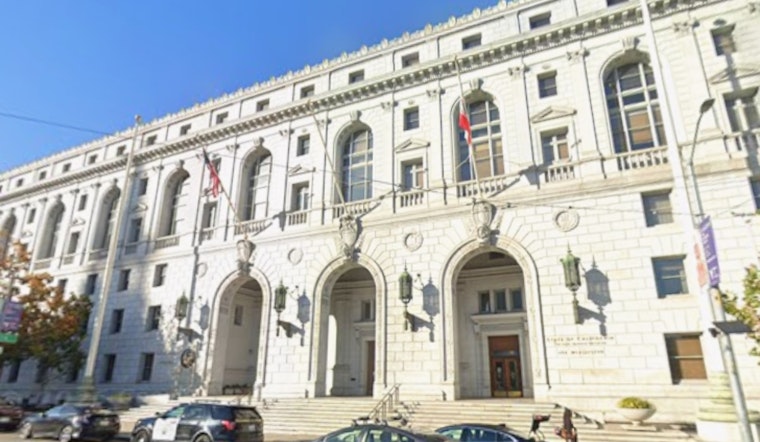
The California Supreme Court has disbarred John Eastman, cutting the prominent conservative attorney and former law school dean off from practicing law in the state after years of scrutiny over his role in legal efforts to block certification of the 2020 presidential election.
The court’s order, filed yesterday, adopts the State Bar Court’s recommendation that Eastman lose his license, according to the Houston Chronicle. The ruling directs that his name be removed from the official roll of attorneys and that he is no longer permitted to practice law in California.
The discipline traces back to a March 2024 recommendation by the State Bar Court following an extended trial. The State Bar said the proceeding featured dozens of witnesses and hundreds of exhibits. According to the State Bar of California, the tribunal concluded that Eastman committed multiple breaches of his professional duties, with the full trial ruling spelling out the factual findings. The detailed record is available via Democracy Docket.
Eastman “advanced false claims about the 2020 presidential election to mislead courts, public officials, and the American public,” George Cardona, chief trial counsel for the State Bar, said after the high court’s decision, according to the AP News. Cardona said the ruling shows that the misconduct was fundamentally at odds with the standards expected of California lawyers.
Eastman’s attorney, Randall Miller, responded that the decision raises pivotal constitutional concerns and said the defense plans to seek review in the Supreme Court, the AP News reports. Eastman has maintained that he was providing legal advice and argues that disciplining him implicates First Amendment protections.
What the court found
The State Bar Court’s 128-page decision found that Eastman knowingly made false or misleading statements, assisted in promoting alternate slates of electors in several states, and pushed legal theories the tribunal concluded lacked a good-faith basis. The court said the hearing record supported findings of culpability on most of the counts.
In light of those conclusions, the State Bar Court recommended disbarment along with monetary sanctions, including a proposed $10,000 sanction. The full findings and sanctions recommendations are laid out in the ruling available from Democracy Docket.
Legal implications
The California Supreme Court’s order not only removes Eastman from the bar but also triggers a set of administrative requirements, such as Rule 9.20 client notification obligations. The State Bar had also requested monetary penalties.
The ruling has already reverberated beyond California. In 2024, the D.C. Court of Appeals temporarily suspended Eastman from practicing there, and the final California outcome could spur additional reciprocal actions, filings, and appeals in other jurisdictions. Reporting on the reciprocal suspension and procedural posture is available from Bloomberg Law, while background on the State Bar’s petition and review timeline is detailed by Horvitz & Levy.
Broader context
Eastman’s fall from the California bar comes amid a broader wave of disciplinary cases tied to post-2020 election litigation. Across several states, bar authorities have pursued sanctions against lawyers whose filings or public claims about the election were found to run afoul of ethical rules. The resulting rulings have fueled an ongoing fight over where to draw the line between aggressive political advocacy and professional misconduct, a debate that has migrated into appellate briefs and constitutional arguments.
Coverage of how disciplinary panels have approached related cases is available from The Washington Post. With the California Supreme Court’s order now in place, Eastman’s legal team has signaled it will keep pressing its constitutional claims. How appellate and federal courts handle those arguments could influence where the boundaries of attorney discipline are set in politically charged cases for years to come.




