

























































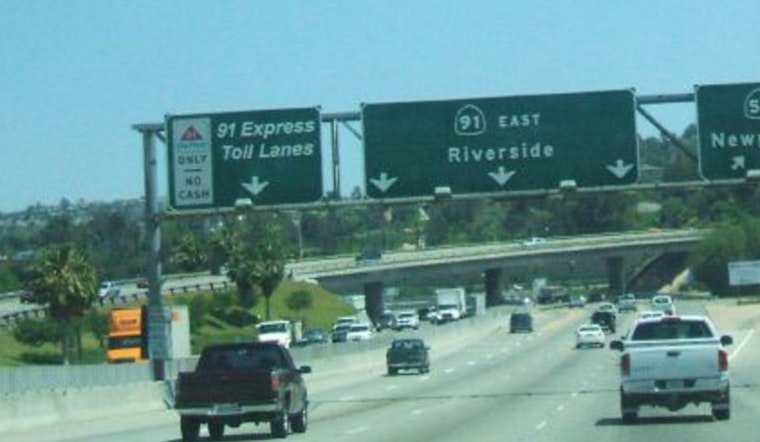
On the 91 Freeway, the honest carpoolers are finally catching a break. Regulars on the express lanes say tolls have eased up after a new camera system scared off the freeloaders in the 3+ carpool lanes. The Occupancy Detection System now snaps photos of vehicle interiors at toll points, and flags suspected violators, triggering account corrections and human review. Drivers who were used to seeing one-way prices spike past $20 say that, outside the worst rush hours, posted rates have dropped. County transportation officials report that the change has been showing up in real time on electronic toll signs along the corridor.
"As cheaters have moved out of the 3+ lanes, the toll rates for everyone else are going down," David Knudsen, deputy executive director of the Riverside County Transportation Commission, told reporters. That trend and other local details were reported by CBS Los Angeles. The California Highway Patrol is backing up the system on the ground, and citations for HOV violations can run about $500.
How the occupancy-detection cameras work
The technology, called the Occupancy Detection System (ODS), went live on August 1, 2025, and uses median-mounted gantries to capture multiple high-resolution photos of front and rear seating as vehicles pass the toll point. According to 91 Express Lanes, software first flags possible violations, then Riverside County Transportation Commission staff review the images before charging accounts a $5 occupancy correction fee along with the full posted toll. The agency says the images are handled under privacy safeguards, and drivers can dispute transactions through their 91 Express Lanes account.
Numbers show the system is catching cheaters
Riverside County Transportation Commission staff told reporters that roughly 25,000 people a month were improperly using the 3+ lanes before the cameras went in, and that the program has since recovered more than $1 million in unpaid tolls and fees. That recovery figure has also been cited in radio coverage by KNX News. Officials say the stepped-up enforcement has taken pressure off demand and helped push down the dynamic tolls paid by rule-following drivers.
Penalties and enforcement
When a transaction is verified as a violation, the driver is charged the full posted toll and hit with the additional occupancy correction fee; repeat or more brazen violators can also end up with CHP citations on top of that. Reporting shows some motorists have tried to game the system with jackets, empty car seats, hats on headrests, and even mannequins posed in passenger seats, but enforcement has led to fewer repeat offenders in the lane, according to NBC Los Angeles. RCTC staff say that once photos are reviewed and charges are confirmed, most customers choose not to pursue formal disputes.
Why commuters are seeing lower rates
The 91 relies on variable pricing to keep traffic moving, and demand in the carpool lanes directly affects the tolls everyone sees. With fewer illegal riders clogging up the express lanes, demand drops, and so do the posted rates. According to the toll schedules published by 91 Express Lanes, rates can change frequently based on congestion, and officials say consistent enforcement helps steady that volatility. For many daily commuters, that has translated into fewer nasty surprises on their toll statements and a slightly faster trip.
Agency officials say the ODS pilot could guide future enforcement efforts on other corridors and may be expanded, and local reporting notes that the program has already recouped significant revenue while nudging driver behavior along the 91. Radio coverage has also highlighted that the rollout has recovered more than $1 million and could serve as a template for other high-occupancy facilities, according to KNX News. Drivers with questions about specific charges are being urged to review the ODS FAQ or contact 91 Express Lanes customer service.





