

























































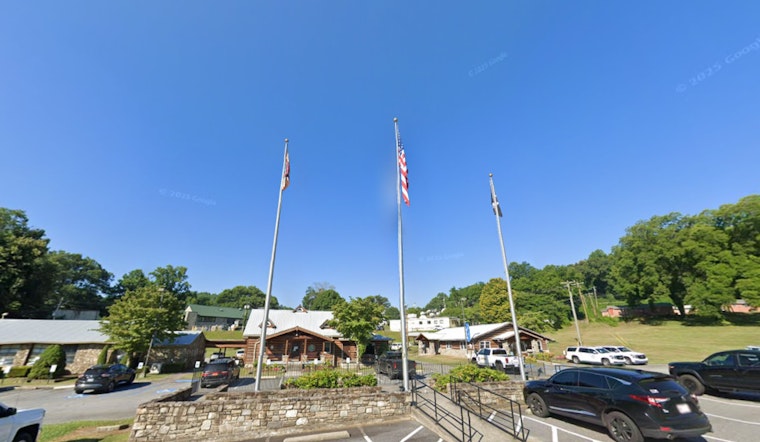
Members of the Eastern Band of Cherokee Indians’ tribal council are pressing pause on the data center boom before it ever reaches the Qualla Boundary. A draft ordinance introduced Thursday would effectively block data centers from tribal land with an open-ended moratorium on building, constructing or maintaining the facilities, citing worries over noise, water use and cultural impacts. After a spirited debate, council members agreed to table the measure so staff can dig into the details and report back.
Draft ordinance cites humming, water and health worries
The proposal leans heavily on quality-of-life concerns, zeroing in on the nonstop sound that can accompany massive server farms. "These facilities create a humming sound which causes nearby residents to develop physical and mental health problems," the draft ordinance states, according to Charlotte Observer. It would bar the construction and maintenance of data centers anywhere on the Qualla Boundary and highlights the heavy water demands of hyperscale cooling systems, noting that the tribe considers its water sacred. The ordinance was introduced by Big Cove representatives Lavita Hill and Venita Wolfe, Yellowhill representative Shennelle Feather and Painttown representative Shannon Swimmer.
Regional pause on data centers spreads
The move from the Eastern Band comes as Western North Carolina communities line up to slow-roll new data center projects. Across the region, counties and towns have turned to short moratoriums or promises of in-depth study to evaluate how these massive operations might affect water supplies, power infrastructure and day-to-day livability. WFDD reported that Swain County’s packed public hearing drew residents from the Qualla Boundary, and that towns including Canton, Brevard and Boone have already taken steps to give their planners more time. Supporters say these pauses are about making sure communities are not left holding the bag on drained water resources or costly grid upgrades without clear long-term gains.
Council tables the measure
Tribal council members ultimately voted to table the ordinance for a later meeting, asking staff to pull together more information and legal analysis before anything becomes law, according to Charlotte Observer. Supporters framed the proposal as a shield for community health and sacred resources, while critics warned that such a broad ban could scare off future investment and jobs. Council leadership said they will schedule the ordinance’s return once the research and consultations are finished.
Sovereignty and next steps
The Eastern Band oversees the Qualla Boundary through its own code and planning departments, so any data center moratorium would be enacted under tribal law rather than state zoning rules, although federal permits could still come into play for certain infrastructure work. EBCI's Code of Ordinances lays out how laws are made and the respective roles of council members and staff. If a final moratorium is adopted, it would likely prompt deeper review of water rights, utility agreements and development contracts tied to projects on or near tribal lands.
The debate in Cherokee country mirrors a wider Indigenous and regional push to scrutinize large-scale tech infrastructure. The Cherokee Nation has recently created a task force to study how data centers could affect its reservation, raising many of the same questions about natural resources and sovereignty, according to Cherokee Nation news. Eastern Band council members say tabling the Qualla Boundary proposal gives them space to consult elders, technical experts and legal advisers before taking a final vote.



