

























































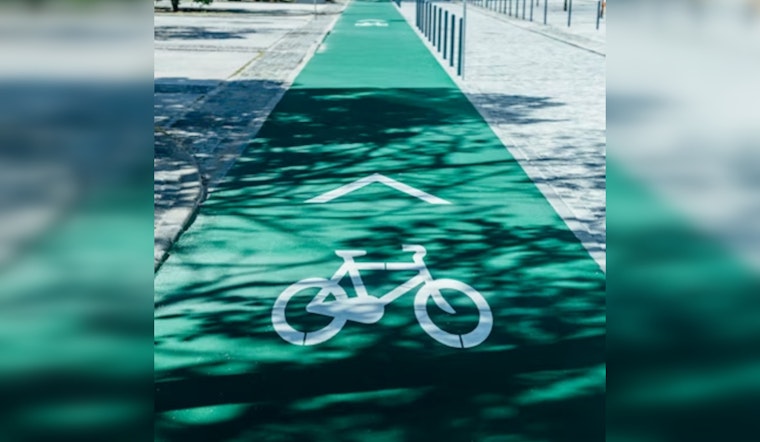
Mayor Brandon Johnson on Tuesday rolled out a big, tidy number for Chicago’s latest street cleanup: more than 170 miles resurfaced, thousands of sidewalk and ADA fixes, fresh bikeways, and dozens of green alleys stitched through neighborhoods. City Hall is touting the tally as proof that work on safety, accessibility, and drainage is finally kicking into a higher gear after last year’s Complete Streets investments. For people who bike, walk, ride buses, or drive, officials say it should add up to smoother trips and fewer flooded basements.
RT @ChicagosMayor: https://t.co/Jou1NEP341
- Brandon Johnson (@chicagosmayor) April 20, 2026
The mayor's post lists detailed upgrades
According to a post on X, the city has completed more than 170 miles of resurfacing, repaired over 3,000 sidewalks, installed more than 6,000 ADA ramps, and added roughly 26 miles of new bikeways as part of its Complete Streets push. The post also lists 50-plus green alleys aimed at improving drainage, 740-plus curb extensions, about 100 pedestrian refuge islands, and more than 100 bus-stop accessibility upgrades, along with modernized streetlighting on hundreds of blocks. City Hall is framing the list as a set of milestones in a multiyear infrastructure effort to reduce crashes and make streets more accessible.
Builds on last year's bikeway milestone
The tally builds on a 2025 milestone when city officials celebrated surpassing 100 miles of new bikeways after completing safety work on Milwaukee Avenue, a milestone detailed in surpassing 100 miles of new bikeways. Officials have pointed to slower speeds and redesigned intersections on corridors like Milwaukee as key to recent declines in traffic fatalities, part of what the city describes as a safety-first Complete Streets strategy. Funding for the work has come from a mix of the city's capital program and neighborhood-level federal grants, officials say.
Green alleys and flood-prone neighborhoods
Green alleys, porous alley conversions that capture stormwater, are a central piece of the city's approach to localized flooding, as CBS Chicago reported, and the mayor’s post highlights more than 50 such blocks. But Block Club Chicago has warned that green-alley construction has been uneven, with many South and West Side wards still waiting while North and Northwest neighborhoods have received a larger share of projects; costs per block can run into the hundreds of thousands, the outlet noted. That tension helps explain why aldermen and neighborhood groups keep pushing for more funding so the program can reach flood-prone areas faster.
Funding, tradeoffs, and local reaction
City officials say the work is financed through a mix of city capital dollars and targeted federal awards; earlier this year, Mayor Johnson highlighted roughly $46.2 million in federal funding for 40 neighborhood projects, according to a breakdown of $46.2 million in federal funding. Still, not every upgrade is universally popular: Streetsblog Chicago has documented neighborhood meetings and pushback over specific Complete Streets designs, where residents sometimes raise concerns about parking loss or construction impacts. City leaders say they try to balance community input with safety goals and that projects include mitigation steps to reduce disruptions during construction.
What to watch next
Residents interested in whether their block is scheduled for work can track projects and find guidance on the city's Complete Streets page, which lays out how CDOT prioritizes resurfacing, curb extensions, and accessibility upgrades, according to Chicago.gov. Aldermen also control neighborhood "menu" funds and are often the first stop for neighborhood-specific requests or complaints about project timing. For now, the mayor's post is the city's latest accounting of work completed, but neighbors and advocates will be watching project lists and construction notices as the 2026 season unfolds.





