

























































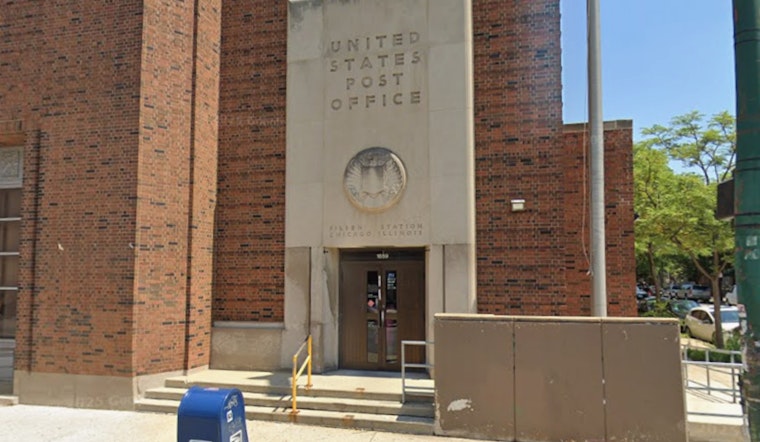
Rep. Jesús “Chuy” García is turning a federal naming fight into a civics lesson, asking Pilsen high-school students to help pick a new name for the neighborhood post office that currently honors César E. Chávez.
The classroom project, called “Our Community, Our Legacy,” invites participating classes to research local history and each put forward one nominee as part of a short in-class assignment. The contest opens April 8 and runs through May 15, with a selection expected in late May and a public announcement slated for June.
García’s office is pitching the whole thing as a way to put young voices at the center of a thorny community debate. “This post office is a key part of our community, and members of the community should provide proposals for the new name,” García said in a statement, adding that he is eager to hear ideas from youth in the district, according to the Chicago Sun-Times.
How the classroom contest works
According to Our Community, Our Legacy, the project is geared toward history, civics, and social studies classes in the Pilsen area. Teachers are asked to run a 2–4 period lesson where students dig into neighborhood and district history before settling on one nominee per class.
Each class submits a written nomination for a deceased individual who has a clear connection to Pilsen or Illinois’ 4th Congressional District and who demonstrated public service, educational, labor, civil-rights or military contributions. García’s office has posted a teacher guide and rubric so educators can structure the activity and prepare student submissions.
Why is the change proceeding now
The push to reconsider honors for Chávez picked up speed after national reporting detailed longstanding allegations of sexual abuse tied to the labor leader, prompting governments and institutions to revisit how they mark his legacy, as reported by Axios Chicago.
In Chicago, some murals and other tributes have been covered or removed, and the Illinois Senate has passed resolutions shifting March 31 observances and recognizing Dolores Huerta on April 10, a series of moves highlighted in recent local coverage. García and other officials say they see the classroom-driven naming process as a way to let young residents weigh in on how the neighborhood should be recognized going forward, according to the Chicago Sun-Times.
What renaming a federal building entails
Because postal buildings are federal property, changing the official name requires an act of Congress, typically a bill that redesignates the facility and is then signed into law. That is exactly how the Pilsen building at 1859 South Ashland Avenue became the César Chávez Post Office in the first place, as shown in past legislation on Congress.gov.
García’s office says it is beginning that legislative process again and will draw on the community nominations gathered through the classroom project, according to local reporting.
Next steps for students and schools
Schools that want in on the project are encouraged to work through participating teachers, who can access the submission form and download classroom materials from Our Community, Our Legacy. The deadline for class nominations is May 15, with organizers expecting to narrow the list and make a selection in late May before a final announcement in June.
García’s office is coordinating the materials and offering assistance to schools. If a winning name is chosen, any formal change to the building’s title would move through the usual congressional steps required to rename a federal facility.





