

























































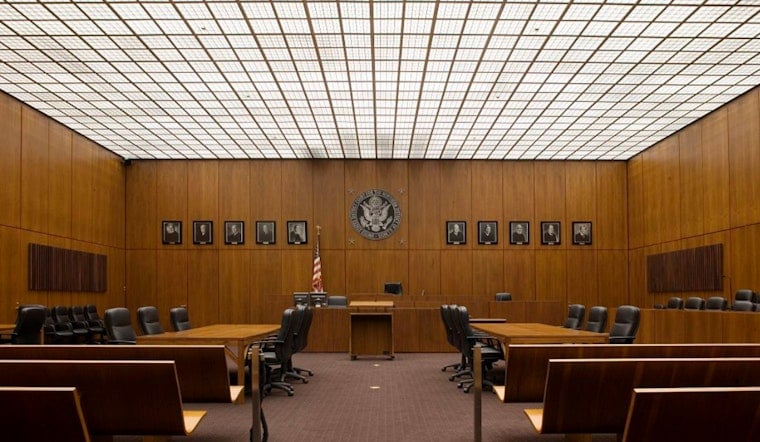
A Cook County judge has given a proposed class-action lawsuit against the Alden Group the go-ahead, finding that residents’ claims about chronic understaffing and related practices are plausible enough to dig into. The ruling moves the case out of the court’s early gatekeeping phase and into discovery, where the nursing home operator will have to open its books on staffing, contracts and internal records.
Judge clears path for trial
According to the Chicago Tribune, Associate Judge Myron Mackoff wrote that "if the claims are true residents have a sound legal basis to proceed," clearing the way for class allegations that could cover thousands of current and former residents. The amended complaint names Alden Group Ltd. and Alden Management Services, Inc., and the Tribune reports that about ten residents have formally joined the case so far, all listed anonymously.
What the complaint says
Plaintiffs, led by the AARP Foundation together with Chicago law firms and disability-rights advocates, allege that Alden facilities were often staffed at roughly half the hours required by law and that the company papered over the gap by reporting so-called "ghost" workers and submitting false staffing data to regulators, according to Equip for Equality. The lawsuit also claims Alden used admission agreements that tried to block residents from suing over injuries tied to understaffing.
Homes named in the suit
The amended complaint zeroes in on six Chicago-area facilities: Alden Heather Health Care Center, Alden Town Manor, Alden Terrace of McHenry, Alden Village North, Alden Lakeland Rehabilitation and Health Care Center and Princeton Rehabilitation and Health Care Center, according to materials from Levin & Perconti. Attorneys say the proposed class consists of Medicaid recipients and other residents who they argue turned over much of their income for care yet still lived in facilities they claim were short-staffed.
Alden's response
Alden has rejected the allegations and points to its long tenure running nursing and rehabilitation centers. On the company’s website, Chairman Floyd A. Schlossberg writes that "all of us at Alden are fully committed to continuing our long-standing tradition of remarkable care and customer service," and company spokespersons have previously said Alden "vigorously denies" the claims. Those public statements are expected to feature in the company’s defense as the case moves along.
What comes next
The ruling removes a key early procedural barrier and lets plaintiffs launch discovery, a process that could stretch a year or longer and that often nudges both sides toward settlement talks, the Chicago Tribune reports. If discovery proceeds, lawyers for residents say they plan to seek internal staffing schedules, timecards, incident reports and communications they contend will highlight any gulf between what Alden reported and the care residents actually received.
Why it matters
Plaintiffs argue that understaffing translated into preventable injuries, unsanitary conditions and heightened risks for residents who are already vulnerable, many of whom rely on Medicaid and must devote most of their monthly income to long-term care. State inspection records and recent fines at some Alden homes underscore the continuing attention from regulators, according to Illinois Department of Public Health facility reports and violation rollups.
Legal implications
Beyond potential damages, the case tests provisions of the Illinois Nursing Home Care Act and consumer-protection laws and challenges whether admission clauses that aim to shut residents out of court can be enforced, a point plaintiffs’ attorneys have highlighted in filings and in public comments to Levin & Perconti. The outcome will hinge heavily on whether the court certifies a class and how broadly it lets plaintiffs probe Alden’s records during discovery.





