

























































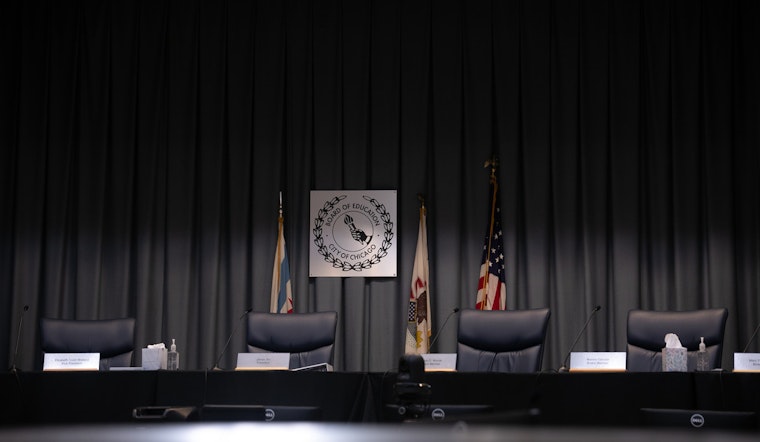
Chicago Public Schools is on track to close the fiscal year on June 30 about $45 million in the red, according to the latest board documents, a reminder that the district’s long-running money troubles did not disappear with a burst of federal pandemic aid.
The shortfall shows up in two financial reports submitted to the Board last week, which peg the gap at roughly $45 million and note that officials had earlier projected about a $529 million deficit for next year, while warning it could grow as planning continues, according to WBEZ. District leaders say they are leaning on one-time grants and central-office savings where they can to narrow the current-year hole before the books close.
Audit figures show lingering shortfalls
The district’s audited financial statements show the 2024-25 year closed with an operating shortfall of about $102 million, and they detail how federal ESSER grant funding has dropped off sharply, exposing the structural gaps that aid had temporarily covered. The board’s comprehensive financial report also lists roughly $450 million in outstanding short-term tax anticipation notes at June 30, 2025, short-term borrowing CPS uses for cash flow that comes with added interest costs and rollover risk, according to the district’s audited report.
Where the pressure is coming from
CPS leaders point to the end of one-time federal relief, rising pension and debt payments, and higher salary and benefit costs as the main drivers of the gap. The district’s FY2026 budget materials outline a $10.25 billion plan that officials say protects school-level funding while using a mix of central-office cuts, tax increment financing revenue and other one-time moves to close a previously reported $734 million hole, tradeoffs that are laid out in CPS’ budget overview.
On the ground: schools and workers
The financial strain is already being felt inside schools, where support staff and unions have staged protests and planned demonstrations amid stalled contract talks and pay demands, according to a local report. For coverage of recent actions by cafeteria and service workers, see the report on a planned downtown lunchroom sit-in.
District officials and board members, meanwhile, are pressing the state and the city for long-term fixes, including changes to how teacher pensions are funded, while publicly trying to steer clear of cuts that land directly on classrooms.
Fiscal watchdogs say the $45 million figure underlines that CPS is dealing with a structural problem rather than a one-off bad year. “The bottom line here is we all need to stop talking about whether or not we are going to spend more, because we don't have more to spend,” Joe Ferguson of the Civic Federation told WBEZ, arguing that tougher choices and new revenue at the state and local level are now squarely on the table.




