

























































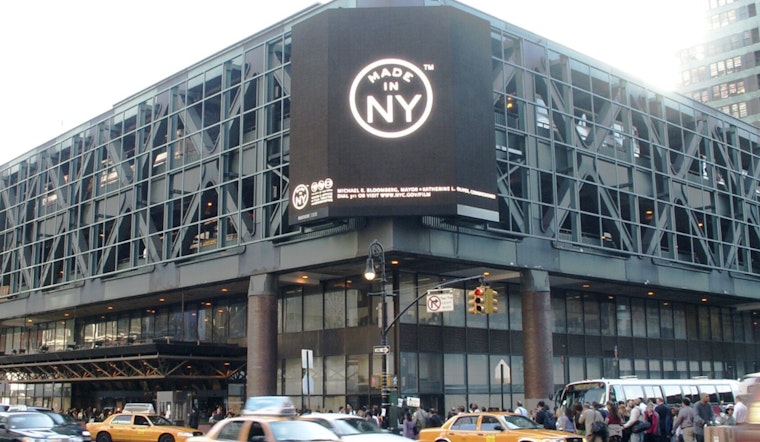
The Port Authority of New York and New Jersey is quietly rewiring how deaf and hard-of-hearing travelers move through some of the region's most chaotic hubs. By scanning QR codes at customer service kiosks, riders can now call up live American Sign Language interpreters and pull up phone-based wayfinding through the twists and turns of the Midtown Bus Terminal, PATH stations and the region's major airports. Officials say the goal is simple but overdue: give Deaf riders more control in spaces that usually reward guesswork and a very high tolerance for confusion.
How the on-demand interpreting works
To get help, riders scan a sticker or poster, then use their phone's browser to connect with a live ASL interpreter. That interpreter signs to the Deaf rider while a voice interpreter on the same call relays the conversation to the hearing staffer on site. The setup runs on Convo Communications' Convo Access platform, which promotes a QR code, no-download connection to ASL interpreters, see Convo Access for the step by step flow. Agencies involved say the design is meant to keep conversations fast and direct without bolting new hardware onto already crowded kiosks.
From trial to pilot
The idea started as an eight week customer service challenge, then graduated to a one year pilot after early results came in strong, according to Gothamist. That pilot now covers roughly a dozen locations and has logged about 36 hours of live interpreter use. Keith Armonaitis, who runs the authority's information technology innovation lab, said the pilot was designed to test both rider demand and day to day operations before any permanent rollout. The initial numbers helped the team decide where QR access points should actually sit in the maze of entrances, corridors and waiting areas.
A quicker scale than you might expect
Officials told Cities Today that Convo's service has now been deployed at about 16 Port Authority locations, with hundreds of QR codes scattered through JFK, LaGuardia, Newark Liberty and the Midtown Bus Terminal. The fast expansion fits into a broader agency push to field test multiple accessibility tools at once and see whether they both lighten the load on staff and make trips smoother for riders. Port Authority leaders say those operational metrics will help determine whether these tools move from pilot line item to permanent procurement.
Indoor wayfinding joins the toolkit
Alongside live ASL access, the agency is rolling out indoor navigation from GoodMaps, a system built from LiDAR scans that delivers turn by turn directions and step free routing over a rider's phone, according to GoodMaps. After a Hoboken trial, the maps are being extended across PATH stations and are intended to guide users to elevators, gates, ticket windows and exits without forcing them to flag down staff. Paired with on demand interpretation, the technology is meant to chip away at the frictions that can turn a routine transfer into an exhausting obstacle course for travelers with disabilities.
What riders are saying
Feedback from the proof of concept phase has been mostly upbeat. The Transit Tech Lab's report notes that users described feeling "seen, empowered, and grateful" for the chance to communicate directly rather than relying on improvised gestures, written notes and lip reading. Gothamist also spoke with Deaf travelers who said the service made it easier to sort out ticketing, baggage issues and flight questions in real time. Accessibility advocates, however, caution that QR code based interpreting should be treated as a strong supplement, not a stand in, for in person accommodations when the stakes are higher, such as security problems or medical emergencies.
What comes next
Agency officials say any permanent rollout will hinge on pilot data, including key performance indicators, efficiency gains and feedback from riders and staff. The Port Authority will make a decision after it reviews those numbers. In the meantime, the Transit Tech Lab and its partner agencies are still tracking usage patterns and response times as they expand both Convo and GoodMaps across more sites. For Deaf and hard-of-hearing riders, the real test will be whether a trip through these historically labyrinthine terminals can start to feel less like a survival exercise and more like a straightforward commute.



