

























































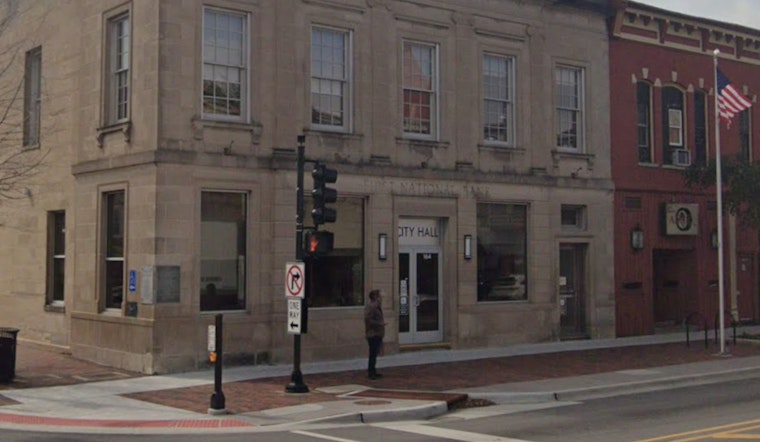
DeKalb aldermen are weighing whether to rewrite the rulebook for how residents and local agencies serve on the city’s boards, commissions, and committees, a move that could quietly reshape who gets a voice at City Hall. The discussion centers on new membership rules and revised meeting schedules that aim to broaden expertise and reduce reliance on a small circle of repeat appointees. No final votes were taken, and the council directed the city manager to come back with a formal proposal at a future meeting.
What council is considering
The draft package would allow some panels to meet only when needed, tighten appointment criteria, and open seats long held by individual residents to staff from local agencies, according to Shaw Local. City Manager Bill Nicklas told the council he wants to move away from what he called “pure patronage” and instead spell out membership rules so panels blend technical expertise with community voice.
Among the specific ideas on the table, the Landmark Commission could shift to an ad hoc schedule, the Citizen Police Review Board might no longer be required to hold six fixed meetings a year, and the Human Relations Commission’s voting members could be limited to representatives from local social service providers such as Safe Passage, Hope Haven, Family Service Agency, RAMP and Elder Care Services.
Which panels are legally fixed
Not every board can be changed just because city leaders want to streamline. According to the City of DeKalb’s annual meeting schedule, several bodies are required by law to keep regular meeting calendars. The schedule lists the Police Pension Board, Planning and Zoning Commission, Fire Pension Board, DeKalb Public Library Board, and the Board of Fire and Police Commissioners as statutorily required. It also notes that the Citizen Police Review Board is bound by Chapter 46, which requires at least six meetings per year.
Other groups, including the Building Code Review Board, Economic Development Commission, Finance Advisory Committee, and Landmark Commission, are currently designated as ad hoc, which makes them more flexible for schedule or membership changes. These details are laid out in a meeting schedule published by the City of DeKalb.
Officials and former members express worry
Some elected officials and former commissioners cautioned that the overhaul could shrink, rather than expand, who gets a seat at the table. Sixth Ward Alderman Mike Verbic argued that voting members should remain DeKalb residents instead of agency representatives, while Seventh Ward Alderman John Walker warned that the proposal could centralize power and reduce chances for everyday residents to bring concerns directly to city government, according to Shaw Local.
JJ Wett, a former member of the Human Relations Commission, added that swapping resident seats for nonprofit staff could unintentionally push aside the very people those organizations are supposed to serve.
Human Relations Commission and public voice
The Human Relations Commission is tasked with promoting fairness and strengthening relationships across DeKalb’s diverse communities, and the city describes its work as fostering respect and dignity for all residents, per the City of DeKalb. Supporters of a tighter, agency-based membership model say representatives from social service organizations bring day-to-day experience with equity and human needs that can sharpen the commission’s work. Critics counter that relying on institutional representatives risks sidelining unaffiliated residents who lack formal ties but still live the realities the commission is meant to address.
Council members said that regardless of how membership is structured, the commission’s mission would remain central to any update.
Next steps
Aldermen instructed the city manager to draft specific language and return with an ordinance or code amendment for a future vote. Before anything becomes official, more discussion and public input are expected. The decision ahead will determine whether DeKalb leans toward a commission system anchored in agency expertise or holds onto a broader, resident-led model of representation.





