

























































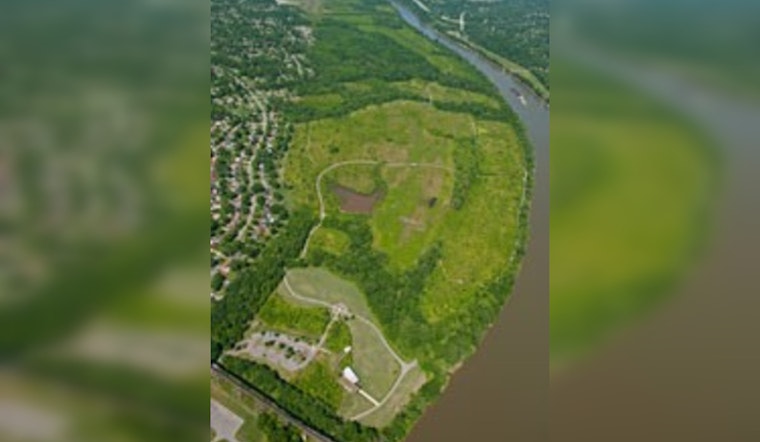
East Nashville is having a very local kind of showdown, and the battleground is a quiet stretch of dirt at Shelby Bottoms. A newly surfaced proposal to pave a short connector trail near the nature center has residents and regulars crying foul, arguing that the whole point of that path is that it does not feel like a typical greenway.
City Plan Draws Opposition
Metro Nashville Parks has floated the idea of putting asphalt on part of the Loop Connector near the Shelby Bottoms Nature Center, a move that quickly galvanized neighbors, according to WKRN. A petition asking officials to “preserve Shelby Bottoms” and stop plans to pave that connector went up earlier this month and drew signatures within days, per Change.org. Organizers say the project would permanently alter a quiet slice of the park that many residents rely on for running, birdwatching, and low-key family walks.
Shelby Bottoms Isn’t A Single Kind Of Trail
Shelby Bottoms Greenway and Nature Park is already a mix of paved and primitive routes. Metro Nashville Parks lists more than five miles of paved, ADA-accessible trails and more than five miles of primitive, unpaved paths within the park. The Shelby Bottoms Nature Center anchors the main trailhead and hosts programs built around the site’s wetland and forest habitats. Official park information also lists the main trailhead at 1900 Davidson Street and a second trailhead at 2032 Forrest Green Drive, according to Metro Nashville Parks.
Why Neighbors Are Worried
Supporters of the petition argue that the Loop Connector’s natural surface is exactly what makes Shelby Bottoms feel like a refuge inside the city and that paving it would bump up runoff, noise, and human traffic. “The Loop Connector provides something different, a chance to experience nature without asphalt,” the petition states. Friends of Shelby, the nonprofit partner that supports programming and stewardship at Shelby Bottoms, highlights the park’s role as both habitat and learning center and urges that any changes be weighed carefully against wildlife and community needs, per Change.org and Friends of Shelby.
Alternatives And What Parks Consider
Parks departments typically juggle access, maintenance, and environmental impact when choosing trail materials. Paving can boost year-round usability and cut down on repeated surface repairs, but a more impermeable surface can also send stormwater runoff into sensitive areas and shift habitat conditions. Metro’s Green Infrastructure Master Plan catalogs pervious and other low-impact materials used on public projects and suggests there are options beyond standard asphalt that can reduce runoff and protect tree canopy, according to Metro Nashville’s green-infrastructure report.
What’s Next
Officials have not released a final timeline, and the proposal is still under review. Neighbors are pushing for public meetings and clearer information on possible alternatives and environmental assessments. With a petition in circulation and community groups already tuned in, any formal project announcement or vote is likely to draw a bigger crowd of East Nashville residents who use Shelby Bottoms for recreation and education, according to WKRN.



