

























































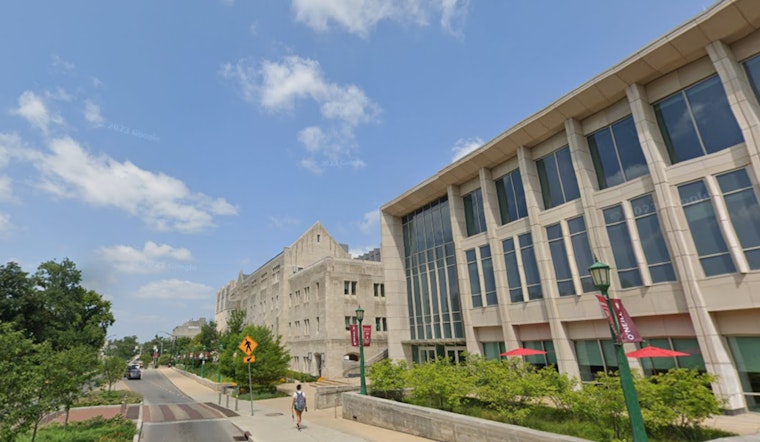
A federal judge has shut down a high-profile class-action lawsuit by former Indiana University men’s basketball players who said they endured invasive, medically unnecessary rectal exams during team physicals. U.S. District Judge Tanya Walton Pratt ruled today that the core federal claims were filed too late, leaving the ex-players with one big option on offense: an appeal.
What the Court Said
Judge Pratt held that the players' Title IX and Section 1983 claims were subject to a two-year statute of limitations and were therefore untimely. She dismissed those federal claims with prejudice, which means they cannot be refiled. The court also dropped the remaining state-law claims for jurisdictional reasons, while giving the plaintiffs 30 days to appeal to the Seventh Circuit.
In her opinion, Pratt wrote that the plaintiffs “knew both the fact and the causes of their injuries and therefore had complete causes of action between 1981 and 2000,” according to IndyStar.
The Allegations and Defendants
The suit, filed in October 2024, was brought by former IU players including Charlie Miller, Larry Richardson Jr., Haris Mujezinovic and John Flowers. They alleged that longtime team physician Dr. Bradford “Brad” Bomba Sr. performed medically unnecessary, invasive digital rectal examinations during pre-participation physicals.
The complaint later added former trainer Tim Garl as a defendant. Bomba, who died in May 2025, was not originally named as a defendant. That timeline and those details were laid out by Sports Illustrated.
Jones Day Probe and IU Response
Indiana University hired law firm Jones Day to dig into the allegations, commissioning an 874-page report that pulled in outside medical experts. The report said the experts agreed that including digital rectal exams as part of an annual sports physical was an uncommon practice, but concluded that Bomba did not act “in bad faith or improper purpose” when he conducted them.
The report also flagged its own limitations, citing missing records and witnesses who refused to be interviewed, and noted that professional opinions about such exams shifted over the decades. Attorneys for the former players pushed back, arguing the report actually showed university officials knew the exams were happening and failed to intervene, according to Indiana Public Media.
What’s Next
For now, the ruling ends the federal pleading phase, but it does not settle the basic question of what really happened in those exam rooms. The plaintiffs have 30 days to ask the Seventh Circuit to revive their federal claims.
An appeal would zero in on the statute of limitations: when the players reasonably understood both their alleged injury and its cause. If the appellate court disagrees with Pratt’s timing analysis, the federal claims could come back to life. If it does not, the fight may be limited to whatever state-law options remain after the jurisdictional rulings, as reported by IndyStar.





