

























































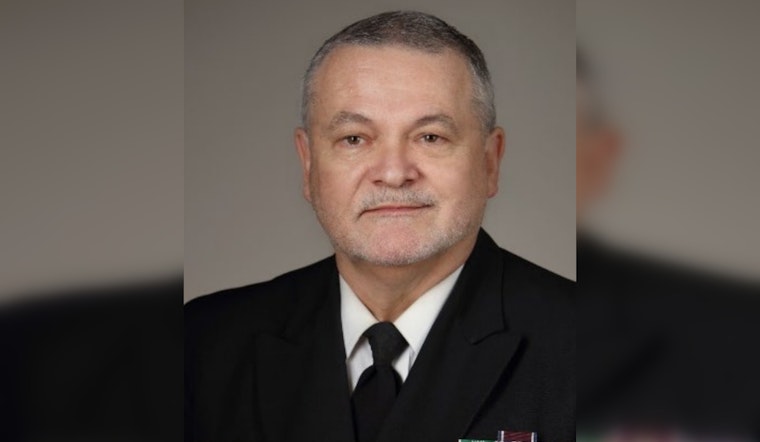
Federal prosecutors say a veteran insider at the nation’s top infectious disease agency quietly routed key pandemic communications off the books, then wiped the evidence when people started asking questions.
A grand jury has indicted Dr. David M. Morens, a longtime senior adviser in the Office of the Director at the National Institute of Allergy and Infectious Diseases, accusing the 78-year-old of steering official COVID-era correspondence away from government systems and deleting records in order to sidestep public records laws. Morens made a brief appearance in federal court in Maryland on Monday and was released while the case moves forward. Prosecutors say the alleged conduct played out in the early years of the pandemic and touched sensitive grant work involving overseas partners.
What Prosecutors Charged
The indictment filed in the U.S. District Court for the District of Maryland charges Morens with conspiracy against the United States, two counts of destruction, alteration or falsification of records in federal investigations, and two counts of concealment, removal or mutilation of records. Together, those offenses carry significant potential prison time as outlined in government filings.
According to prosecutors, Morens and unnamed co-conspirators ran a multi-year effort to keep certain communications out of official channels and to move sensitive material off National Institutes of Health systems, instead of preserving it as federal records. The detailed allegations appear in the indictment.
Alleged Use of Private Email and Gifts
The Department of Justice says Morens repeatedly used a personal Gmail account to share nonpublic NIH information, edit official letters and "back-channel" material that the indictment characterizes as federal records. Prosecutors say a collaborator sent Morens bottles of wine and discussed other items of value, and they describe those exchanges as illegal gratuities. The filing highlights messages about "behind-the-scenes shenanigans" as part of the pattern.
"These allegations represent a profound abuse of trust," Acting Attorney General Todd Blanche said in a DOJ statement.
Grant Work, Wuhan Links and FOIA Fights
Investigators tie the alleged record shifting to a contentious bat-coronavirus grant awarded in 2014 and to a surge of Freedom of Information Act requests seeking internal NIH communications about that research. A Government Accountability Office review, published in 2023, found roughly 1.41 million dollars in EcoHealth-related subawards to the Wuhan Institute of Virology between 2014 and 2019. The indictment also lists dozens of FOIA requests from outlets and groups including Science, Judicial Watch and the Heritage Foundation. Together, the GAO report and the public court filing form the main factual backdrop for the case.
Investigation and What Comes Next
Federal agents and inspectors investigated the matter, and the U.S. Attorney’s Office for the District of Maryland is handling the prosecution, according to the court filing and agency statements. Morens’s first appearance in court was brief. With the indictment now unsealed, pretrial scheduling on motions, discovery and the broader court calendar will dictate how quickly the case moves.
As in any criminal case, an indictment is only an accusation. Morens is presumed innocent unless and until prosecutors convince a jury, beyond a reasonable doubt, that he is guilty.
Legal Stakes
The statutes cited in the indictment cover destruction and concealment of federal records along with related obstruction offenses. Justice Department materials outline the maximum sentences that could be imposed if Morens is convicted.
Defense attorneys in similar cases often target the government’s proof of intent, and this case is expected to follow that playbook. Central questions are likely to include whether the disputed communications legally qualify as federal records and whether any deletions or transfers were carried out with criminal intent.
Republican lawmakers who drove high-profile inquiries into the origins of the pandemic quickly portrayed the indictment as validation of their oversight efforts. Some scientists and open-records advocates, meanwhile, say the case underscores how easily tensions can flare when fast-moving scientific collaboration runs headfirst into transparency laws. Those disputes now shift to the courts, where discovery and pretrial arguments will take shape in the months ahead.





