

























































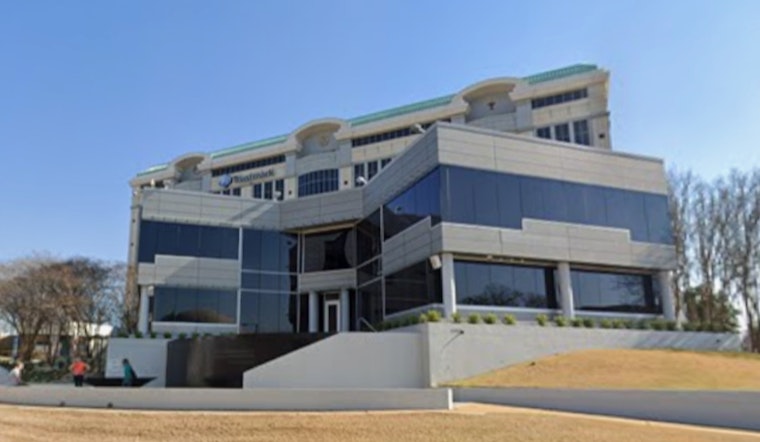
The Southern Poverty Law Center said Tuesday that it is now the subject of a Justice Department criminal probe over the nonprofit’s past use of paid informants to infiltrate extremist groups. The April 21, 2026 announcement drops one of the country’s best-known civil-rights watchdogs into a high-stakes fight over how anti-extremism groups gather and share intelligence.
In a statement to The Associated Press, CEO Bryan Fair said the criminal inquiry "appears to be on the SPLC's prior use of paid confidential informants to gather credible intelligence on extremely violent groups," and vowed that the organization "will vigorously defend ourselves, our staff, and our work."
The SPLC has previously acknowledged that it paid confidential informants to slip inside violent and extremist networks, then shared what they learned with local and federal law enforcement in hopes of heading off attacks. The group says the program operated quietly for safety reasons. Fair has argued that intelligence from those informants "saved lives," according to Boston 25 News.
Political pressure and prior scrutiny
The investigation unfolds after months of escalating Republican scrutiny of the organization. House Republicans convened a December hearing titled "Partisan and Profitable: The SPLC’s Influence on Federal Civil Rights Policy," digging into the group’s connections with federal agencies, according to Congress.gov.
That political heat followed a significant break with federal law enforcement. The SPLC lost a working relationship with the FBI last October when Director Kash Patel announced that the bureau would cut ties with the group, Axios reported.
Legal implications
Federal criminal probes can lead to subpoenas, grand jury proceedings and, if prosecutors believe there is probable cause, indictments. An indictment is an accusation rather than a finding of guilt, and defendants are presumed innocent unless and until they are proven guilty, as the Department of Justice notes. So far, there is no public indication that charges have been filed in the SPLC matter.
Founded in 1971 and based in Montgomery, Alabama, the SPLC built its national profile on civil litigation against white supremacist organizations and on public reporting about extremist networks. In recent years it has also become a frequent target of Republican lawmakers and conservative activists, according to The Associated Press.
Fair maintains that the informant program was justified by public-safety concerns and has repeated that the SPLC will vigorously defend its staff and its work. The Justice Department has not publicly commented on the investigation, a silence noted in coverage by Boston 25 News, and national reporting on the probe is still unfolding.





