

























































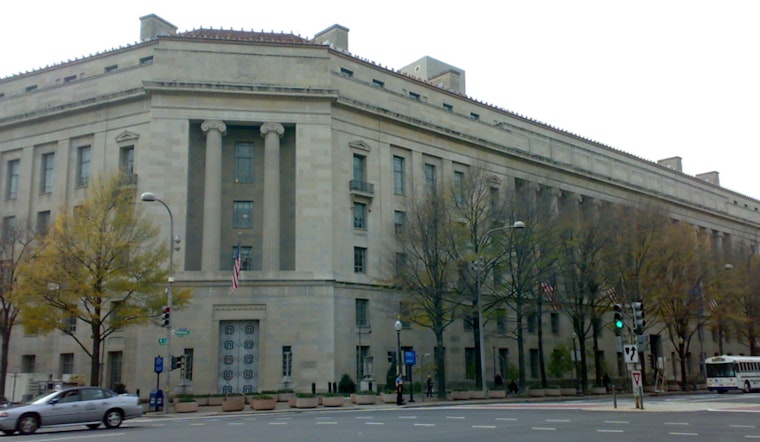
Federal antitrust prosecutors are turning up the heat on the country’s biggest beef companies, opening a criminal investigation into how major meatpackers buy cattle and set prices. The Justice Department’s antitrust division is digging into whether some of the industry’s largest processors coordinated their behavior in ways that may have helped drive U.S. beef prices higher. If that work leads to formal charges, the case would jump from a routine civil review into full-on criminal territory.
The probe first surfaced in reporting by the Wall Street Journal and was then detailed by Reuters, which noted that the Justice Department had previously acknowledged a review after President Trump asked the agency to look into meatpackers, but had not described it as criminal. Regional outlets such as The Journal Record picked up the summary, spreading word of the escalation well beyond Wall Street.
Who’s Under Scrutiny
According to Bloomberg Law, Justice Department lawyers are examining National Beef, Cargill, Tyson Foods and JBS as part of a broad review of how meatpackers purchase cattle. The outlet reports that both the division’s civil staff and its criminal prosecutors are involved, a pairing that signals officials are keeping all options on the table.
The Agriculture Department’s Economic Research Service estimates that the four largest beef packers account for about 85% of steer and heifer purchases in the United States, a level of consolidation critics say can dull genuine competition. That concentration figure comes from the USDA Economic Research Service, which has documented how a handful of large firms dominate the meatpacking business.
Where The Pressure Came From
Political pressure has been building alongside grocery bills. In November, President Donald Trump publicly urged the Justice Department to investigate meatpackers for allegedly inflating beef prices, an intervention first reported by the Associated Press. His call came as retail beef prices hit record highs and the national cattle herd shrank, a two step of tight supply and strong demand that economists and industry groups have cited as key drivers of what shoppers are paying.
The result is a tense waiting game for ranchers, processors and consumers alike, all of whom have a lot riding on whether federal enforcers decide that what looks like market power crossed the legal line into coordinated misconduct.
Legal Implications
A criminal antitrust case gives prosecutors the power to chase price fixing, bid rigging or market allocation schemes, offenses that can bring hefty corporate fines along with prison time for individuals, according to the Justice Department. The department’s Antitrust Division says it reserves criminal enforcement for the most serious conspiracies.
Past enforcement actions show what that can look like in practice. Prior cartel cases have ended in guilty pleas, multimillion dollar penalties and sentences for executives, as described in press releases archived by the Justice Department. Those records underscore that when officials decide conduct crosses into cartel territory, they tend to treat it as a top tier criminal priority.
For now, the agencies and companies at the center of the storm are staying mostly quiet. The Justice Department did not immediately respond to public requests for comment, and several major packers also had not answered media inquiries, Reuters reported.
Investigations of this sort can stretch on for many months and sometimes wrap up without charges, leaving the industry in limbo while regulators gather documents and testimony, Bloomberg Law notes.





