

























































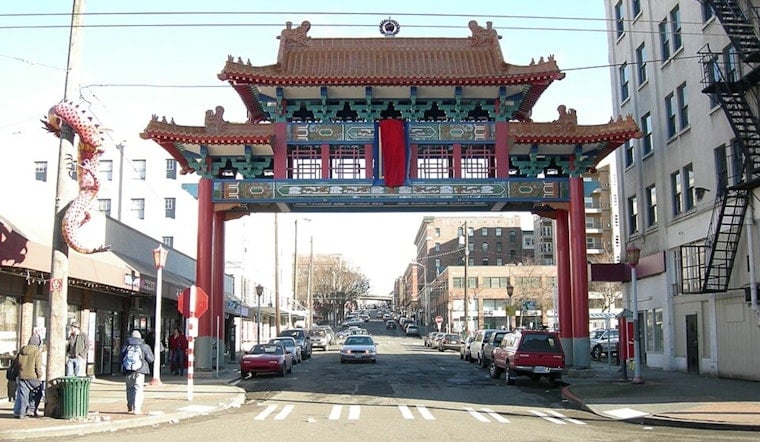
Governor Bob Ferguson pulled out his pen Thursday and signed a bill that will redirect a slice of sales tax generated at Seattle’s stadiums into neighborhood preservation work in Pioneer Square and the Chinatown‑International District. The move, highlighted in the governor’s Facebook post with a set of signing‑day photos, puts state muscle behind efforts to support small businesses, fix aging buildings, and fund public‑safety projects in south downtown. Community members and lawmakers gathered around Ferguson for the ceremony, a visual reminder that this money is meant to land close to home.
How the funding works
State budget and fiscal documents show that the new law redirects retail sales tax collected at two qualifying stadiums into a Community Preservation and Development Authority, or CPDA, account that serves South Downtown neighborhoods. According to the state's fiscal note, Engrossed Substitute House Bill 1408 will deposit a substantial share of the retail sales tax collected at Lumen Field and T‑Mobile Park into the CPDA account, with revenues split between operating and capital subaccounts. The fiscal analysis lays out expected deposits and projected account receipts, which are then used to estimate near‑term funding available for neighborhood programs.
What the bill aims to do
The legislation is framed as targeted help for areas the bill describes as being repeatedly hit by major public projects, including stadium construction and highway work. It spells out allowed uses such as seismic repairs to unreinforced masonry buildings, business support programs, and street‑level public‑safety investments. The Senate bill report states that the funding is intended to produce “safer buildings, stronger local businesses” and related community benefits, and it requires the Joint Legislative Audit and Review Committee to review CPDA funding by December 1, 2034. The measure also includes an expiration date for the redirected funding unless the JLARC review recommends an extension.
Who's behind the push
The bill moved through the House with sponsorship from members of the House Appropriations Committee and backing from lawmakers who represent south‑downtown communities. Legislative documents list Representative Santos among the original sponsors. Governor Ferguson's Facebook post, which shows photos of the signing and a community member identified as Violet standing with lawmakers, served as the first public notice of the ceremonial signing. Lawmakers and local advocates emphasize that the change redirects existing tax revenue into community preservation work rather than creating a new tax.
Opposition and what to expect next
The plan did not sail through without friction. Bill reports capture industry concerns that diverting a portion of stadium sales tax collections could ripple into ticketing economics and affect existing community programs that are funded by team and stadium partnerships. The bill text and related reports make clear that money deposited into the CPDA account can be spent only after legislative appropriation, and that each CPDA must file biennial reports to the Legislature on its strategic plans and measured impacts. With the governor’s signature now on record, local CPDA boards and the Department of Commerce will be at the center of deciding how the operating and capital dollars are rolled out in the months ahead.





