

























































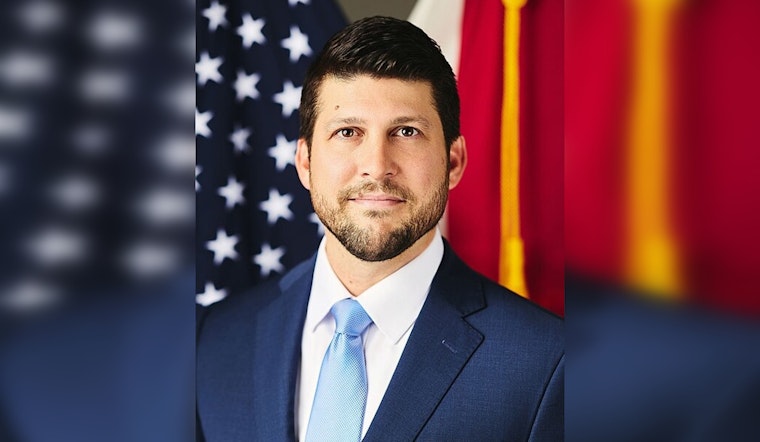
Florida Attorney General James Uthmeier is telling state agencies to treat a long-standing ban on taxpayer money going to religious institutions as essentially dead letter, after issuing a written legal opinion that says those restrictions are themselves unconstitutional. He said the move could open the door for religiously affiliated charter schools to receive public funds and could extend state scholarship dollars to religious colleges. Dropped during Holy Week, the announcement marks a sharp shift in how Florida’s top legal officer plans to enforce the state constitution.
In a video posted on X and in a matching memorandum, Uthmeier said he had “issued a formal legal opinion” and that his office “will not enforce” statutory provisions that block public funding for religious institutions. His letter singles out the state’s Effective Access to Student Education (EASE) grant program and suggests that excluding some religious colleges from that aid may raise constitutional concerns, according to CBS Miami.
Inside the Opinion
The memo argues that the federal Establishment Clause “did not impose the same restriction on the states” and leans on 19th-century commentary from Justice Joseph Story to claim that states historically retained room to “encourage” religion. That reading differs from how many constitutional scholars describe the incorporation of the First Amendment against the states and serves as the core legal logic behind the opinion, as reported by CBS Miami.
What Could Change
If agencies or courts adopt Uthmeier’s approach, the ripple effects could be significant. Charter school sponsors might approve faith-based charters that receive public operating dollars, and state scholarship programs could be stretched to include more religious institutions. Florida law currently requires charter schools to be nonsectarian in their programs, admission policies, and operations, under the state code. The EASE program provides tuition assistance to students at eligible private nonprofit Florida colleges, according to the Florida Statutes and program descriptions from the Independent Colleges and Universities of Florida (ICUF).
Blowback and Legal Risks
The opinion has already stirred criticism and raised the specter of immediate court challenges. Members of the Florida Legislative Black Caucus have denounced earlier sweeping opinions from Uthmeier and warned that this broader posture on state power and rights could harm minority communities, according to AP News. Muslim leaders and other civil-rights advocates have also pushed back in recent months after Uthmeier questioned whether tax-funded vouchers could be used in ways they see as promoting particular religious codes, as detailed by WUSF.
What Happens Next
Legal analysts say this enforcement shift is almost certain to invite court battles over whether state or federal judges will step in to enforce Florida’s historical limits on public support for sectarian institutions. The fight over taxpayer-funded religious charter schools and scholarship eligibility is also unfolding nationally and has drawn recent attention from the U.S. Supreme Court, according to Education Week. For now, school districts, charter sponsors, and private colleges are watching closely as politics, policy, and the courts determine whether Uthmeier’s opinion sparks swift change or a long legal slog.





.jpg)