

























































Florida education officials are moving to tighten the gates at the state’s public colleges, proposing a new rule that would block students who cannot prove U.S. citizenship or lawful presence from enrolling. The push follows a year of legislative and administrative moves that already stripped in-state tuition from thousands of immigrant students and shifted more power to college admissions offices and local trustees.
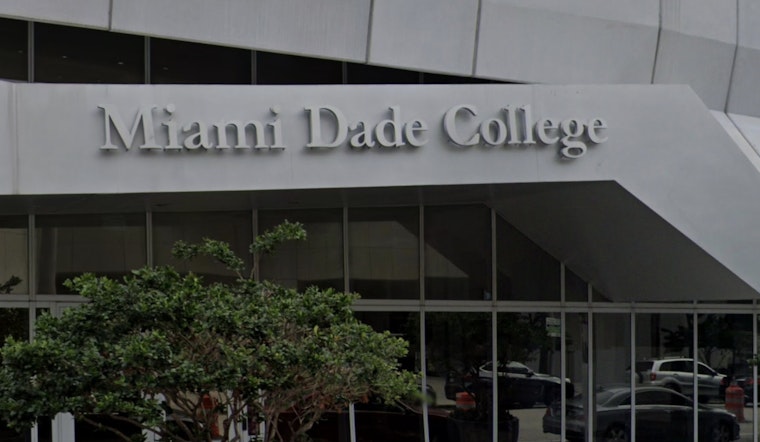
Under the draft regulation, applicants to Florida College System institutions would have to provide “clear and convincing” documentation that they are citizens or are lawfully present in the United States. Colleges would also gain explicit discretion to factor applicants’ past misconduct into admissions decisions. A rule hearing is set for May 14 at Miami Dade College, according to the Orlando Sentinel.
The regulatory push tracks with legislation filed during the 2026 session that targets non-citizen enrollment. One of the standout proposals, SB 1052, filed by Sen. Erin Grall, would bar public colleges and universities from admitting people who are not legally present, as reported by the Florida Phoenix. Lawmakers have floated several related measures this year aimed at tightening admission rules and capping non-resident enrollment.
Who would be affected
The proposed rule is aimed squarely at the Florida College System, the network of community and state colleges that enroll many recent high school graduates and adult learners, and would not apply to the state’s 12 universities, per reporting. Advocates note the proposal lands after the Legislature rescinded in-state tuition for roughly 6,500 immigrant students, a change that already pushed many of them into paying out-of-state rates, according to public reporting that cites state data. Community college campuses, which often serve economically vulnerable students, are expected to feel the most immediate strain.
What the rule would do
The draft language sets a high evidentiary bar, stating that documentation must be credible, precise and compelling, a standard critics warn some applicants will struggle to meet. It hands local boards and admissions offices explicit authority to verify immigration status at enrollment and to weigh prior misconduct in deciding who gets in. Those provisions, along with the broader proposal, appear on the Department of Education’s rule docket and are described on the rule-review page at the Florida Department of Education.
Next steps and legal questions
The rule must pass through Florida’s formal notice-and-hearing process. The May 14 session at Miami Dade College is scheduled to gather public testimony and written comments. Observers say any statewide attempt to restrict college enrollment on immigration grounds is likely to draw legal challenges, since immigration authority rests with the federal government. Similar Florida immigration measures have been blocked in federal court, according to reporting by the News Service of Florida, suggesting this rule could face both administrative debate and courtroom scrutiny before it ever takes effect.
For now, students, advocates and college officials are treating the May hearing as the first real public test of the policy and a rare chance to press the Department for details on how verification would work day to day. Department officials have not finalized the rule text, and the combination of the public docket and the hearing record will determine whether the proposal is adopted as written, revised or pulled back.





