

























































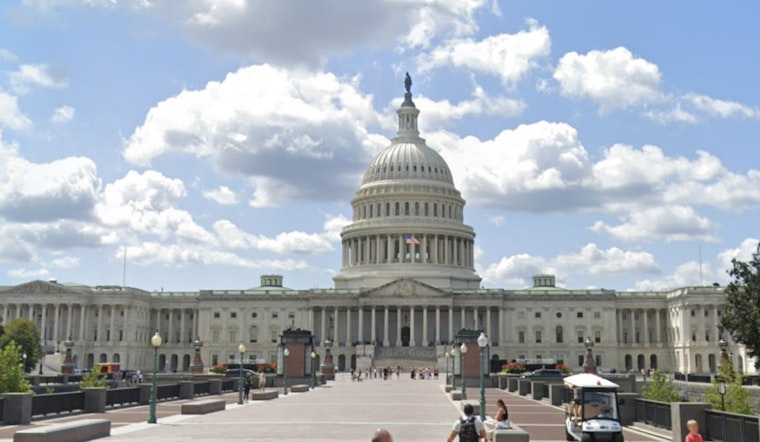
Dozens of Floridians, from fishing guides and park workers to conservation advocates and small business owners, showed up in Washington this week with a simple, blunt message for Congress: do not gut the Endangered Species Act. They hand delivered a letter warning that a proposed overhaul could unravel decades of recovery for manatees, Florida panthers and sea turtles, along with the tourism, fishing and outdoor recreation dollars that follow them. Delegates say H.R. 1897 would shift key protections from a national standard to state agencies that may not have the staffing or funding to manage long term recoveries.
What H.R. 1897 Would Change
H.R. 1897, the ESA Amendments Act of 2025, lays out sweeping revisions to the Endangered Species Act, including tighter definitions of “habitat,” a five year national listing work plan and altered consultation rules, according to Congress.gov. Supporters pitch the bill as a long overdue modernization of the law. Critics counter that the same language would narrow federal oversight and speed up decisions to remove species from the list.
Floridians Take Their Case To The Capitol
The Florida delegation spent the week crisscrossing Capitol Hill, letter in hand, arguing that the bill would shrink critical habitat protections and curb the public’s ability to hold agencies accountable in court. “Florida’s wildlife is part of who we are,” Marilu Flores said, while Susan Holmes added that “Congress should be strengthening the Endangered Species Act, not dismantling it.” The letter points to recovery wins for manatees, panthers and sea turtles and urges lawmakers not to walk those gains back, according to Tampa Free Press.
The Numbers Behind The Plea
Recent state and academic surveys show that manatee populations in Florida have been closely monitored for decades and remain the focus of intensive rescue, rehabilitation and seagrass restoration programs. Multi decadal aerial research documents how seagrass die offs have driven large swings in regional manatee abundance, a relationship detailed in Frontiers. Regional park materials note that protected areas such as the Fakahatchee Strand and Big Cypress still support roughly 200 Florida panthers, a figure that surfaces often in recovery debates, according to America's State Parks.
Conservation Groups Sound The Alarm
National advocacy groups argue the bill would undercut science based protections and weaken tools that let the public challenge federal decisions. In press statements, Earthjustice has warned that H.R. 1897 could fast track delistings, weaken Section 7 consultation requirements and limit avenues for public oversight.
Legal Stakes
The draft text of H.R. 1897 would revise several statutory definitions and consultation procedures. Among other changes, it narrows what can be designated as critical habitat and lays out a national schedule for listing decisions, edits that are spelled out on Congress.gov. The Department of the Interior has signaled support for targeted reforms while stressing that any changes would need careful implementation, according to the Department of the Interior.
What Comes Next
Advocates note that H.R. 1897 cleared a key committee late in 2025 and was ordered reported in amended form, but it still has to navigate several procedural hurdles before any floor vote. Opponents are working to keep Florida’s recovery stories front and center as the debate heats up. Defenders of Wildlife says the Florida delegation’s trip is one of many efforts to put community voices directly in front of members of Congress while the future of the Endangered Species Act is on the table.





