

























































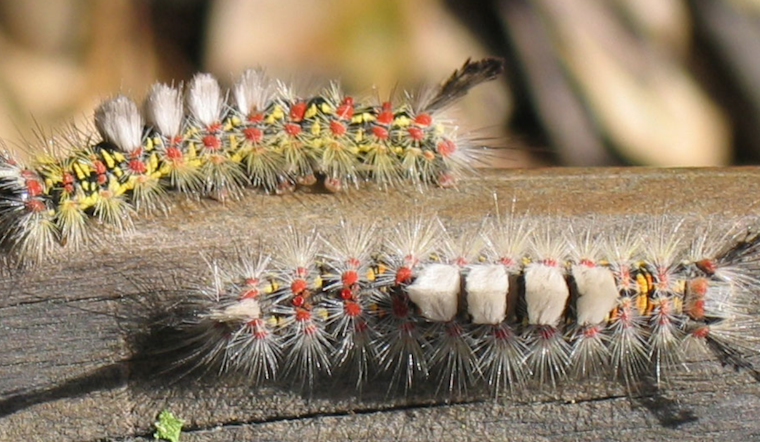
Sanford’s Paw Park is going dark for a couple of days after a surge of fuzzy tussock caterpillars turned the popular off-leash spot into a no-go zone for anyone with sensitive skin. City crews will close the park Wednesday to treat the area, after residents reported more of the small, colorful larvae clinging to oak trees and dropping onto cars, playground equipment and picnic benches. The caterpillars do not bite, but their barbed hairs can lodge in skin and trigger painful, burning rashes in some people.
The shutdown follows a wave of local sightings that had the critters crawling into cars and across gas-station canopies, and at least one resident broke out in dozens of tiny red bumps after a caterpillar hitched a ride into her vehicle, as reported by FOX 35 Orlando. The station reports that Sanford officials have scheduled a “specialized treatment” at Paw Park and expect to reopen the site Friday afternoon once the work is complete.
Why the Caterpillars Are Everywhere Right Now
The tussock moths that produce these larvae overwinter as eggs, then hatch when temperatures rise. According to the Florida Museum of Natural History, the insects typically emerge in late February or early March, then mature and disperse their cocoons by early April. Since the caterpillars feed on oak and elm trees, they tend to pile up in places where those trees line neighborhood streets, gas stations, and public parks.
How the Hairs Cause Reactions
As noted by the University of Florida, the tussock caterpillar does not bite or sting, but its hairs can cause chemical irritation by breaking off and lodging in the skin, and the cocoons are woven with those same irritating hairs. That means touching the caterpillars, brushing against their cocoons, or even contacting loose hairs can leave some people with tiny red bumps, burning discomfort, and a stubborn rash.
What To Do If You Are Exposed
Experts recommend using adhesive tape to gently lift embedded hairs from the skin, then washing the area with soap and water and applying cold compresses to ease pain and swelling. Medical outlets such as the Cleveland Clinic advise similar first-aid steps. A baking-soda paste, over-the-counter hydrocortisone cream, and an oral antihistamine can help dial down the itch. If you develop widespread swelling or any trouble breathing, you should seek medical care right away.
Where To Be Careful And What Officials Are Doing
Locals have spotted the caterpillars on gas-station canopies, car doors, and public benches, so it is smart to avoid leaning on vehicles, playground railings, or outdoor furniture in areas where the insects are visible. Keep pets and small children away from heavily infested trees. Sanford officials have arranged targeted treatment at Paw Park on French Avenue and expect to reopen the dog park once crews wrap up work, according to FOX 35 Orlando.
Outbreaks like this are seasonal and usually fade after the caterpillars finish pupating, but homeowners are urged to check eaves, soffits, and outdoor furniture for cocoons and remove them while wearing gloves, the University of Florida notes. If you or a child has worsening symptoms after contact, call your health provider or seek emergency care immediately.





