

























































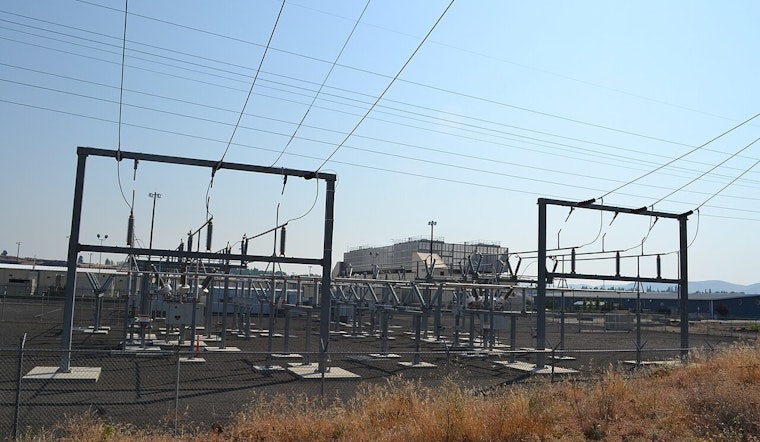
On cold Gorge mornings, the huge white steam plumes rising from Google’s data-center campus in The Dalles are doing more than just photobombing the skyline. Pilots and nearby residents say the clouds can roll out over the Columbia River and drift across approaches to the Columbia Gorge Regional Airport, turning routine landings into something a lot more stressful. The result is a growing local debate over how to balance flight safety with the economic punch the tech giant brings to town.
Local pilots and airport staff report that the steam can collect into a low, river-level fog that cuts visibility and complicates approaches, especially in winter. That has drawn increased attention from regional outlets and aviation watchers. Drivers on Interstate 84 and people in Dalles-area communities regularly spot the steam, as detailed by The Oregonian/OregonLive, while aviation trade outlet AvBrief has documented pilots’ alarm about the localized fogging.
Airport paperwork and meeting minutes show that the Columbia Gorge Regional Airport board has been talking about rising atmospheric moisture and what it might mean for operations, while a board member compiles historical weather data to compare patterns with nearby Hood River. Public meeting packets list Jacob Anderson and staff updates that flag increased moisture and a push to better understand how local meteorology interacts with industrial exhaust from the data campus. Those records are on file with the Columbia Gorge Regional Airport and the Port of The Dalles, and minutes posted by the Columbia Gorge Regional Airport show the topic on recent agendas.
Engineers and company disclosures explain why the plumes are so dramatic. Google’s Dalles campus uses evaporative cooling systems that vent warm, moisture-heavy air as part of the process that keeps its servers from overheating. The company’s site for its Oregon data centers includes photos of steam over cooling towers and links to sustainability reports that spell out local water and cooling practices. Google and its environmental disclosures note site investments and water stewardship work in The Dalles.
That heavy water use has long been part of the political backdrop. Independent reporting and county and city records show Google’s campus accounts for a very large share of The Dalles’ industrial water consumption in recent years, and local planning documents flag questions about how much more business demand the system can handle. Community coverage and public records obtained by regional reporters put the company’s footprint in the range of tens or hundreds of millions of gallons annually and show city planning that anticipates rising commercial water needs in the coming years. For a deeper look at the region’s broader water concerns, see reporting by OPB.
Pilots say the plume issue is not just academic. On some days, flight crews have altered approaches or diverted to Portland when conditions over the Gorge turned ugly, and local operators warn that low-level fog could complicate medevac or charter runs in the colder months. The Oregonian/OregonLive reported pilots’ accounts and noted that at least one local advocate has asked the FAA to weigh in; the paper reported the FAA had not responded to its requests for comment at the time of publication.
Plume abatement is technically possible
From an engineering standpoint, what is happening over The Dalles is a known problem with a menu of known fixes. Plumes from evaporative cooling towers are a classic cold-weather headache, and there are technologies that can drastically shrink the visible fog. Hybrid wet/dry cooling towers, vapor-condensing plume-abatement devices, and other design tweaks that lower outlet humidity are all in the toolbox.
The ASHRAE handbook describes hybrid and plume-control approaches for cooling towers, and peer-reviewed engineering studies show that vapor-condensing and hybrid systems can substantially reduce visible plumes in cold, humid conditions. ASHRAE and MDPI outline common abatement strategies.
What officials and communities are weighing
Local officials and conservation groups say they want clearer data and a plan that does more than just pick sides between planes and paychecks. They are talking about a framework that juggles flight safety, fish and river health, and the economic benefits of a large data hub. Environmental organizations and regional watchdogs have raised broader concerns about the rapid buildout of data-center infrastructure along the Columbia and its impacts on water, energy, and fisheries, with the airport issue increasingly framed as one chapter in a larger story about growth and resource management in the Gorge.
Columbia River advocates and local reporting suggest that regulators and utilities will likely be pressed to consider technical fixes, updated permits, or operational limits if the plume problem sticks around. For regional reporting and advocacy context, watchdogs and public broadcasters have followed the issue closely; Columbia Riverkeeper and OPB have tracked those concerns.
For now, pilots, airport managers, and residents are keeping an eye on those white columns that rise off the river on chilly mornings. Airport board members say they will continue reviewing weather records and operational reports and will keep pushing for clarity on whether engineering changes at the cooling plants - or procedural changes at the airport - are needed to keep approaches safe.





