

























































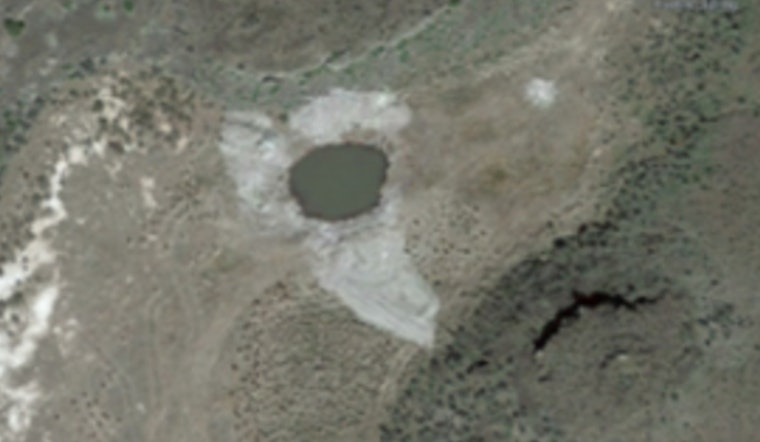
A Grant County ranching family is asking a judge to slam the brakes on a state wetlands enforcement case and let a jury decide whether their stockwater ponds count as protected alkali wetlands. Wade and Teresa King argue that the Department of Ecology’s orders, including a six-figure civil penalty and restoration directives, punish decades of routine pond maintenance and threaten the family operation with massive mitigation bills. The fight is doubling as a constitutional test over whether administrative tribunals can hand down civil penalties that traditionally would have gone to a jury.
Ranchers push to move the case into court
The Kings, represented by the Pacific Legal Foundation, have filed a motion for summary judgment asking a Grant County Superior Court judge to stop the Pollution Control Hearings Board proceeding and rule that the state must seek civil penalties in a court where a jury is available. Their motion argues the PCHB cannot provide the jury trial they say the constitution requires and asks for a decision before a full administrative hearing takes place. According to Pacific Legal Foundation, oral arguments on that motion are set for May 21.
What Ecology says it found
The Department of Ecology contends its investigation turned up evidence that King Ranch excavated pools in 23 alkali wetlands near Park Lake, harming about 6.37 acres of wetland and 1.76 acres of buffer. That work, the agency says, triggered a $267,540 civil penalty along with restoration orders. Ecology maintains that most of the affected areas are on state-managed leases and that the agency and the Department of Natural Resources are now coordinating to restore those state lands after cancelling at least one grazing lease. As outlined by the Washington State Department of Ecology, officials first identified the sites using aerial imagery, then followed up with on-the-ground inspections.
Court filings lay out the stakes and legal theory
The Kings’ court papers, including a March complaint, a March 2 motion for emergency relief, and an April 13 motion for summary judgment, say Ecology has issued three administrative orders, including a 2023 Penalty Order and a January 15, 2025 restoration order. Those orders have been consolidated before PCHB No. 23-007c, and the filings estimate that restoration and mitigation costs could exceed $3.7 million. In their supporting memorandum, the Kings argue that civil penalties are legal claims that trigger a right to a jury trial and cite recent Supreme Court precedent dealing with administrative enforcement and juries. The motion and exhibits spell out that legal theory and the cost estimates, and the full briefing is available through Pacific Legal Foundation.
Why the forum matters - and what’s next
A Superior Court judge has so far declined to pause the administrative case, so the dispute is heading toward a merits hearing that could decide whether Ecology must pursue any penalties in a court that can empanel a jury instead of before the PCHB. If the Kings win in Superior Court, Ecology would likely have to refile or shift its enforcement push into a jury-capable court. If they lose, the PCHB proceeding and whatever findings come out of it will control the next steps and set up appeals that could be tougher to unwind. The Spokesman-Review has reported that a bid for a preliminary injunction was denied and has outlined the case schedule ahead.
The King Ranch dispute is shaping up as a test of how far Washington regulators can go when they seek money penalties and land restoration through administrative channels instead of straight into court. The May hearing will be an early signal of whether state judges see jury-right challenges as a speed bump for agency enforcement or as a doorway to full-blown trials in front of local jurors.




