

























































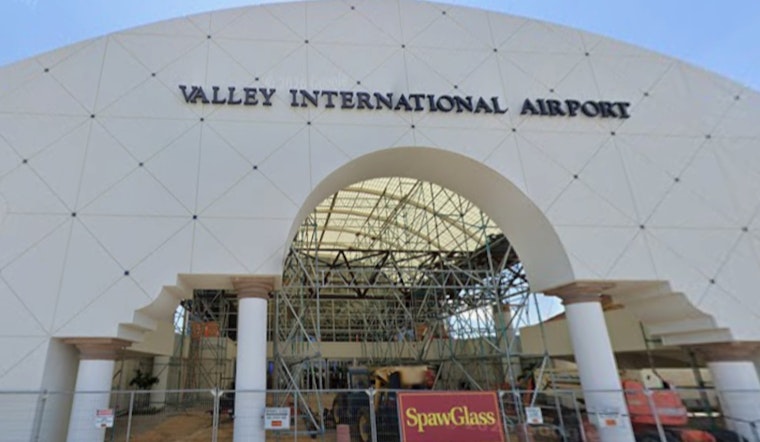
A veteran courtroom interpreter who has worked in South Texas courts for more than two decades was pulled aside at Valley International Airport last month and is now sitting in an ICE detention cell as her attorneys plead with a federal judge to let her go. Meenu Batra, 53, was detained on March 17 after clearing security at Harlingen’s airport on her way to a court assignment, and she is currently held at the El Valle Detention Center in Raymondville. Her legal team has filed both a habeas petition and a request for a temporary restraining order, arguing that she has lived in the United States for roughly 35 years and has valid work authorization.
According to the Texas Observer, state records show Batra is licensed to interpret Hindi, Punjabi and Urdu. She was stopped by plainclothes ICE agents after passing through airport security, questioned about a 2000 deportation order, handcuffed and taken in an unmarked van to an ICE field office. In a sworn deposition filed with her habeas case, Batra says officers moved her through multiple holding cells over about 24 hours without giving her food or water, and that she later developed a respiratory illness while in custody. The petition, which is available on DocumentCloud, also notes that she needs ongoing medical care following surgeries in December and asks the court to block any transfer to another detention facility.
Speaking with CBS News, Batra said she told agents she had her documents and believed that her withholding‑of‑removal protection allowed her to work in the United States. She recalled one agent responding, “That doesn’t mean you can be here forever.” Her family told CBS News that her youngest son recently enlisted in the U.S. Army and, through their attorney, has filed a parole application that would allow his mother to stay in the country in renewable one‑year increments.
Legal context
Federal guidance explains that withholding of removal prevents the government from deporting someone to a country where they are likely to face persecution, but it does not provide a path to permanent residency and does not automatically grant lawful permanent status; background information is available from USCIS. Batra’s habeas case, Batra v. Venegas, was filed in the Southern District of Texas in late March, and court records set an April 21 deadline for the government’s response. Her lawyers argue that holding her in immigration detention violates due process because she maintains work authorization connected to her withholding of removal. Federal officials, in turn, point to a final removal order that dates back to 2000.
Local reaction and implications
Advocates and local legal organizations say Batra’s arrest fits into a broader enforcement trend that is sweeping longtime residents with complicated immigration histories into detention, a pattern highlighted in reporting by the Texas Observer. The case is also shining a light on how few certified interpreters there are for certain South Asian languages in Texas. The state’s Judicial Branch oversees interpreter licensing and court language‑access resources at txcourts.gov, and advocates warn that losing a specialist like Batra can leave low‑resource clients struggling to find reliable legal interpretation. Community groups in the Rio Grande Valley say they are tracking the case and coordinating support for her family while the litigation plays out.
Batra’s attorneys say they plan to keep pressing for swift relief in federal court, as well as for access to the medical care they argue she needs while detained. In a statement to reporters, the Department of Homeland Security described Batra as having a final order of removal and emphasized that employment authorization does not by itself confer legal status, a position reflected in press reports on the case. For now, advocates and her family are waiting on the government’s formal response and the judge’s next move as the habeas petition moves forward.



