

























































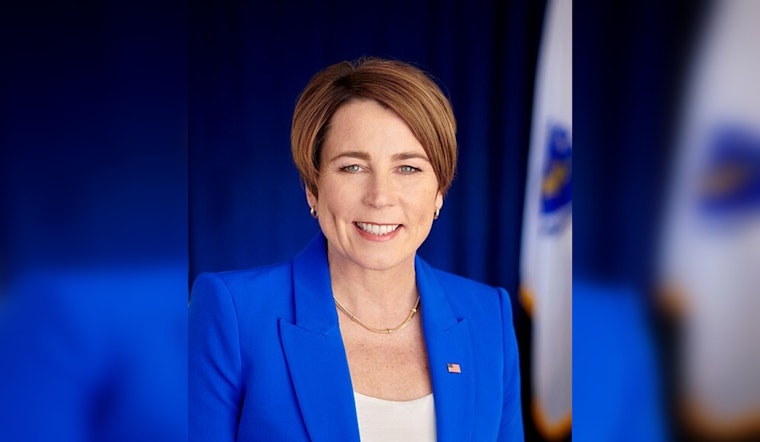
Gov. Maura Healey is telling Massachusetts schools they cannot shrug off AI-driven nastiness involving their students. On Wednesday, Healey and the state Department of Elementary and Secondary Education rolled out new guidance instructing school leaders to move quickly when AI-generated "deepfake" images or videos of students surface. Districts are reminded that creating or sharing sexually explicit AI imagery of minors is a criminal offense and are urged to support affected students while coordinating with law enforcement and legal counsel.
The packet, released by the state education agency, spells out how districts should respond when a report comes in. It walks administrators through investigating complaints, preserving digital evidence, connecting students with counseling, and educating kids about consent and online safety, according to Mass.gov. The guidance makes it clear that AI-altered nude images of minors must be handled like other forms of bullying or sexual exploitation and that schools are expected to investigate promptly.
Legal context
The new guidance sits on top of a 2024 state law that updated Massachusetts' revenge-porn statute to explicitly criminalize AI-generated sexual images and broaden protections for victims, per WBUR. Lawmakers and advocates backing the change said emerging AI tools had made it far easier to fabricate realistic, nonconsensual images of teenagers, and the law was designed to close that gap.
What schools are being told
DESE's materials lay out concrete steps for districts, from documenting and preserving digital evidence to working with police, following anti-bullying policies and Title IX rules, and offering counseling to students who are targeted, according to Mass.gov. The packet also urges schools to lean on health education and media-literacy classes to teach students about consent and the long tail of sharing images online.
Local cases underscore urgency
Real-world cases have already tested how districts respond. Last year, a Hingham family filed a Title IX complaint after an AI-generated explicit image of their daughter spread among students, exposing gaps in local protocols. That case was reported in detail in a Title IX complaint, and the state's new guidance itself has been covered by CBS Boston.
What to watch next
The school guidelines land as Healey advances a broader push to rein in addictive social-media features and lock in new protections for minors online, a package that local outlets highlighted this week, according to WCVB. School officials and parent groups say districts will need training and money to apply the new protocols consistently, and Beacon Hill lawmakers may still consider whether additional legislation is necessary.





