

























































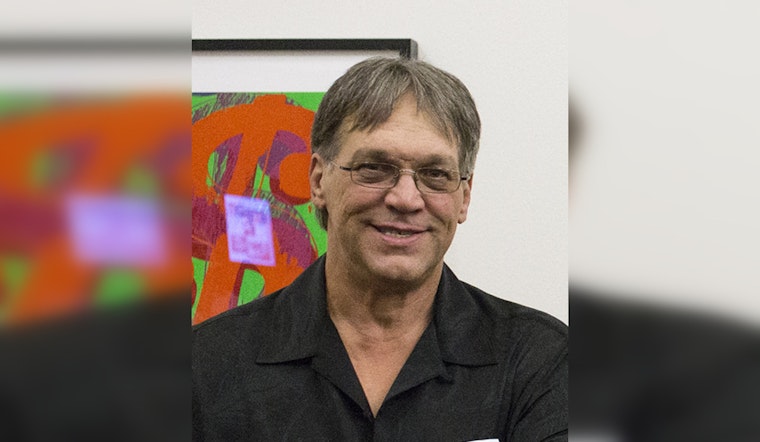
Chicago is grieving all over again as news breaks that Bears legend Steve "Mongo" McMichael was posthumously diagnosed with chronic traumatic encephalopathy (CTE), his family announced Tuesday. McMichael died on April 23, 2025, after a nearly five year battle with amyotrophic lateral sclerosis (ALS). According to the family, he had requested that his brain be studied after his death, and his widow, Misty, says they now hope the diagnosis raises awareness about the long term effects of repetitive head impacts and the need for more research.
The family announcement was first reported Tuesday by CBS Chicago, which said McMichael’s loved ones had received and confirmed the postmortem finding and were framing it as part of his legacy. According to CBS Chicago, McMichael had made it clear he wanted his brain examined after he died, and the family did not release a technical pathology report with the initial notice. Misty McMichael told the outlet she hopes sharing the result publicly will push both research and public discussion about head trauma.
A career that anchored the '46' defense
At 6 foot 2 and roughly 270 pounds, McMichael became a staple of the Bears defensive front across 13 seasons and, according to ChicagoBears.com, appeared in a franchise record 191 games. He ranks second in franchise history with 92.5 sacks and started at left defensive tackle on the 1985 Super Bowl winning team, recording a sack in Super Bowl XX. The club remembered him as a two time first team All Pro and a two time Pro Bowler during a career that ran from 1981 to 1993.
What CTE means and how it’s confirmed
CTE is a degenerative brain disease associated with repeated head impacts and, at present, can only be definitively diagnosed by examining brain tissue after death. Researchers at the Boston University CTE Center describe postmortem neuropathology as the current "ground truth" for diagnosis while teams work to develop imaging tools and blood biomarkers that might detect the disease in living people. That ongoing research is one reason families who pledge to donate brain tissue are seen as vital to scientific progress.
CTE, ALS and the scientific overlap
Studies and high profile autopsies have shown cases where CTE pathology and motor neuron disease coexist, complicating clinical diagnoses that in life may be labeled ALS. Reporting on autopsy results such as the Kevin Turner case highlighted by STAT illustrated how CTE changes in the motor cortex can produce ALS like symptoms. Experts caution, however, that the relationship between CTE and ALS type syndromes is complex and not yet fully defined.
McMichael’s family and the Bears framed the result as part of his public legacy and a call for more study. Misty McMichael told CBS Chicago she hopes the finding will spur attention to repetitive head impacts and support for research. Teammates, fans and the club continue to remember McMichael for his play on the field and the way he and his family handled his final years.
McMichael’s decision to have his brain studied follows a pattern of families donating tissue to advance understanding of head trauma. Those interested in how to support research or sign a brain donation pledge can find information at initiatives such as BANK CTE and the BU UNITE Brain Bank. The family said they hope McMichael’s contribution will help scientists move faster toward better diagnosis and treatment for people affected by head injury disorders.





