

























































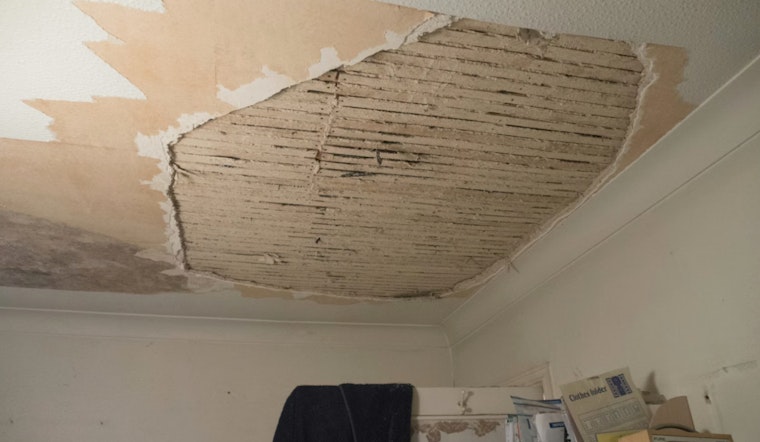
For months, Hunts Point resident Ennis Lahoz says she has been battling both visible and hidden mold inside the Bronx apartment where she has lived with her five children for six years. She told reporters the air in the unit started to feel “heavier” in December, and that one of her youngest children developed a swollen, bright red eye that a family doctor attributed to mold exposure. In an effort to block what she describes as a foul odor, she even taped a plastic bag over a kitchen vent.
An inspection in February reportedly found elevated mold inside vents in both the kitchen and bathroom. Lahoz says the first response from the building was a maintenance worker vacuuming the vents, but she contends the smell and her concerns never really went away. City housing officials say they are now looking into the situation.
Inspection, Management Response
According to News 12 New York, Lahoz says she initially flagged the problem to the building’s operator, Community Access, and was told the issue was “dust.” A later inspection, however, confirmed “elevated mold” inside the vents, she told the station.
News 12 New York quotes Community Access Chief Operating Officer Lorraine Coleman saying the nonprofit uses outside professionals to test and remediate reported problems, then verifies the results with follow‑up inspections. The outlet also reports that the New York City Department of Housing Preservation and Development said it was “deeply concerned” and is looking into the case urgently.
The Building and Its Operator
Lahoz’s apartment is part of Bruckner Boulevard Apartments, a 215‑unit supportive housing complex in Hunts Point operated by Community Access. The building opened in 2020, according to the project listing from the New York Housing Conference, which describes it as mixed‑tenancy supportive housing with on‑site services for families and individuals leaving shelters.
Community Access materials highlight formal protocols for testing and remediation when tenants report issues. Some residents, however, say fixes inside individual apartments can feel limited or short‑term even when larger procedures exist on paper.
Neighborhood Context
Neighbors and local leaders say mold is only one part of a broader pattern of complaints at 985 Bruckner Boulevard. Reports of frequent maintenance and safety problems have trailed the building, including hundreds of emergency calls tied to the address last year. Those calls prompted a discussion at Community Board 2 about how the supportive housing site is being run, according to coverage from the Hunts Point Express.
The mold story also fits into a bigger Bronx trend. Indoor‑air and mold complaints have been rising borough‑wide, and the 10474 ZIP code that includes Hunts Point ranks near the top for mold reports, based on neighborhood analysis cited by the Bronx Times.
Health Risks
Public‑health authorities warn that long‑term exposure to damp, moldy indoor conditions can trigger sore throats, coughing, wheezing and burning eyes, effects that can hit children and people with asthma particularly hard. Guidance from the CDC emphasizes addressing moisture problems and removing mold rather than relying on testing alone to decide if a home is safe.
Lahoz told reporters that after her child’s eye became swollen and inflamed, a doctor examined the child and linked the symptoms to mold exposure. That detail appears in the News 12 New York report.
What Tenants Can Do
Renters who suspect mold in their apartments are advised to document what they see and smell, including dated photos and written notices to management. Keeping track of any medical visits or symptoms can also matter later if there is a dispute over conditions.
NYC311 provides basic mold‑cleaning tips and a way to request inspections from the city’s housing agency. The New York City Department of Housing Preservation and Development explains how it responds to housing complaints and issues violations. If HPD finds code violations, it can order repairs; tenants who still face unsafe conditions after that can seek assistance from local legal‑services organizations or housing advocates.
For now, Lahoz says she wants a clear testing and remediation plan that keeps her children safe while Community Access and city officials continue their review. Her situation underscores how a mold complaint can quickly become both a health scare and a neighborhood flashpoint, especially in Bronx communities where indoor‑air concerns are already on the rise. This story will be updated if HPD releases inspection results or Community Access provides additional remediation documentation.



