

























































A Queen Creek family is turning grief into a full-court press on federal regulators after a January 2 helicopter crash near Telegraph Canyon killed an experienced pilot and three of his relatives. Elizabeth McCarty Gallup, who lost four family members in the collision, has taken her campaign to Washington, calling for clearer warnings and brighter markers on highlines and slacklines. The deadly crash has thrown a harsh spotlight on whether temporary recreational lines belong in an airspace system built around airports and permanent infrastructure.
Crash details and victims
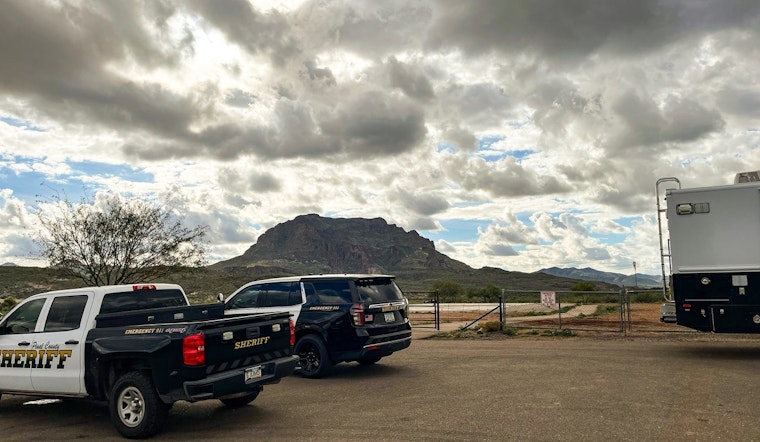
The crash happened at about 11 a.m. on Jan. 2 when an MD Helicopters MD 369FF struck a slackline and went down in a remote canyon, killing the pilot and three passengers, family members said, according to The Associated Press. Relatives identified the victims as David McCarty and his nieces Rachel and Faith McCarty and Katelyn Heideman. The helicopter had taken off from Pegasus Airpark in Queen Creek, and rescuers had to hike for hours to get to the wreckage.
What the preliminary report found
The National Transportation Safety Board's preliminary factual report says the helicopter hit a highline or slackline that had been paired with a separate signalization line carrying about ten LED lights and five windsocks, and that the mainline and backup line were anchored roughly 0.74 miles apart and stretched about 600 feet above the canyon floor, according to the NTSB. Investigators reported finding webbing fragments embedded in the helicopter's stabilizers and rotor blades, and the tailboom had separated on impact. The report also notes that about an hour after the crash, a second helicopter flew roughly 10 feet under the still-suspended signalization line.
Family pushes for fixes
Gallup told FOX 10 Phoenix that she has met with lawmakers twice to push for better charting of NOTAMs and for standardized, high-visibility markers on long-span lines. "People should be scared, because this is something that could take down any pilot," Gallup said, adding that her family is pressing for an executive-level response to the risk. She also emphasized that the pilot, David McCarty, was a highly experienced aviator, a detail family members shared with reporters.
NOTAMs and the warning gap
Federal records and investigators show a notice warning pilots about the installation was active from late December into early January, but the NOTAM was filed against the Superior airport rather than Pegasus Airpark, where the flight originated. That created a potential information gap for pilots, according to The Associated Press and the NTSB report. The FAA recommends that pilots review notices within 25 nautical miles of their planned route, yet this case highlights how NOTAMs tied to specific airports can miss hazards that stretch across geography. Safety experts say long-span recreational lines are notoriously hard to see from the air even when marked, which is why families and lawmakers are now pushing for clearer standards.
Lawmakers press for quick action
Oregon Senators Ron Wyden and Jeff Merkley have urged the FAA to move quickly in response to the NTSB's initial findings, asking whether the agency will adopt any early safety measures and whether temporary flight restrictions over long-span slacklines should be on the table, according to OPB. The senators requested a formal response and pressed the agency to coordinate closely with NTSB investigators to head off similar tragedies.
Legal and regulatory questions
Federal and land-management officials are also scrutinizing whether the highline followed Forest Service or other land-use rules and whether its markings satisfied any applicable standards. The FAA temporarily restricted flights while response crews worked the crash scene, ABC News reported. Investigators say the probe will examine how the line was installed, how the NOTAM was filed, whether the visual markers were adequate and whether policy or enforcement changes are warranted.
What's next
Gallup says she has received encouraging feedback from lawmakers and wants an executive order to standardize safety rules for long-span slacklines, per FOX 10 Phoenix. The NTSB's preliminary findings are strictly factual and subject to revision, and a final report is not expected for 12 to 24 months. In the meantime, lawmakers, pilots and slackline groups are weighing technical fixes such as geolocating NOTAMs and adding high-mounted strobes or other standardized markers to make long-span lines visible from typical approach altitudes.




