

























































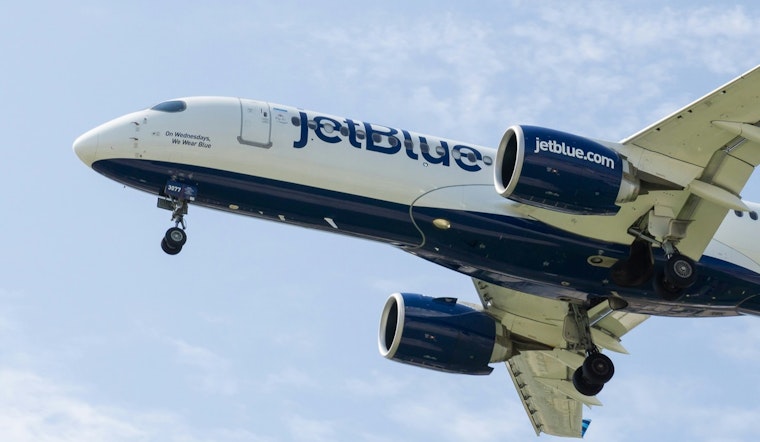
A JetBlue social media rep told a mourning traveler to “clear your cache and cookies” after the passenger complained that a ticket to a funeral jumped $230 in a single day, then the airline quietly deleted the response. JetBlue later apologized and chalked it up to a bad social post, but the brief exchange poured fresh fuel on long‑running worries about personalized pricing and the hidden role data plays in what shoppers see.
What JetBlue said: and then walked back
In a reply on X that has since been removed, the airline suggested the customer “try clearing your cache and cookies or booking with an incognito window,” according to Fortune. Speaking to Fortune afterward, JetBlue said the social media guidance was wrong and apologized, insisting that fares on JetBlue.com and its app are “not determined by cached data or other personal information.” Instead, the airline said prices track real‑time seat availability and inventory changes, not a specific customer’s browsing history.
Why the reply touched a nerve
The advice sounded a lot like that old traveler lore about beating the system by nuking your cookies or going private mode, so many people read it as an accidental confession that what you click might change what you pay. Coverage from Gizmodo and others pointed out that the uproar taps into a broader fear: that third‑party data and opaque algorithms may quietly tweak prices for each of us. That anxiety is no longer just a comments‑section conspiracy theory; it is now showing up in statehouses and on regulators’ desks.
Regulators and privacy auditors are watching
The Federal Trade Commission kicked off a public inquiry into surveillance pricing in 2024 and has said staff are weighing whether new disclosures or rulemaking are necessary, according to the FTC. At the same time, independent privacy auditors have highlighted how messy the real‑world safeguards are. A large March audit found that many major sites still dropped advertising cookies even after users opted out of tracking, undermining quick fixes like simply clearing cookies. That mix of federal attention and fresh audit findings has given political cover to lawmakers who want to ban or at least force clear disclosures around personalized pricing, as reported by CyberNews.
What shoppers can actually do
Wiping cookies or switching to an incognito window can sometimes reset a site’s signals and occasionally surface a lower fare, but there is no promise it will work, especially with airline tickets. Privacy guidance from All About Cookies stresses that opting out of cookies alone does not make a person anonymous. Broader tools like ad blockers or VPNs can cut off more kinds of cross‑site tracking, though even those are no silver bullet. And for all the talk about surveillance pricing, travelers should remember that airline fares mostly move with inventory and timing, so an ugly price spike can just be the market doing its thing, not a computer singling you out.
Policy fallout
The viral exchange landed right as lawmakers and advocates are trying to put legal guardrails around surveillance pricing. In Maryland, lawmakers have passed a Protection From Predatory Pricing Act aimed at stopping grocery stores from using personal data to craft individualized prices, with similar bills surfacing in other states, according to Newsweek and legal analysis from King & Spalding. For a ground‑level look at state legislative fights and attorney general probes into algorithmic pricing, check out AG James' Albany showdown.
JetBlue’s apology may calm the immediate social media storm, but the deleted “clear your cookies” reply was a sharp reminder of how arbitrary pricing can feel from the passenger seat. With auditors calling out broken opt‑out tools and states racing ahead with bans and disclosure rules, airlines and retailers are likely to face increasingly pointed questions about how, exactly, their pricing algorithms use our data.





