

























































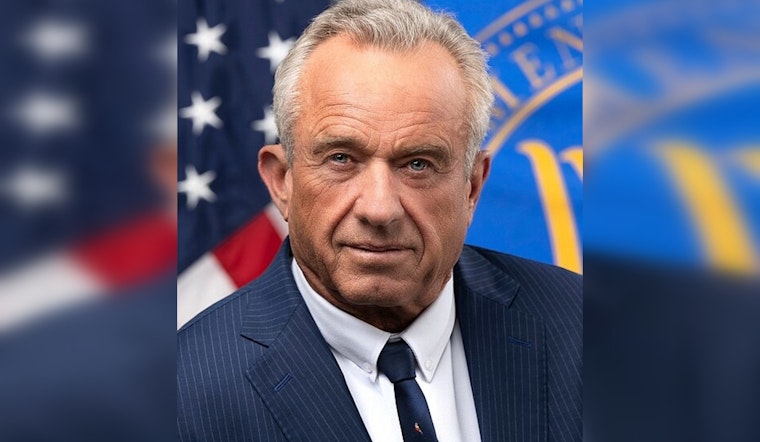
Health Secretary Robert F. Kennedy Jr. walked back into Capitol Hill on Thursday with a tightly scripted, policy‑first pitch that zeroed in on diet and food safety and, notably, left vaccines out of his opening remarks. The hearing was billed as the administration’s big chance to defend the health slice of the 2027 budget and showcase what it calls the "Make America Healthy Again" agenda. Lawmakers in both parties used the moment to grill him on personnel shake‑ups and agency rewiring that have rattled many public‑health experts.
According to Reuters, Kennedy submitted a 12‑page written testimony ahead of two House hearings and is set to appear before both the Ways and Means and Appropriations panels to walk through the HHS budget. His prepared text leans heavily on nutrition, food safety and Make America Healthy Again achievements, while leaving out language about his earlier push to overhaul the childhood vaccine schedule.
Food Policy Takes Center Stage
HHS has branded the administration’s new emphasis as a "historic reset" that puts "real, whole food at the center of the American plate," rolling out fresh dietary guidance and initiatives aimed at cutting synthetic dyes and highly processed foods. In a departmental release, HHS cast the moves as prevention‑first reforms designed to drive down chronic disease rather than chase it after the fact.
The secretary also defended the proposed HHS topline that, per Reuters, comes in at roughly $111 billion for the department. The administration pitches it as a strategic re‑prioritization, even as it trims some research accounts. Reuters reports the package represents nearly a 12.5% reduction from current funding levels and includes about a $5 billion cut to the National Institutes of Health.
Why Vaccines Were Quiet
Kennedy, long linked to the advocacy group Children’s Health Defense, kept vaccines out of his spoken opening, a notable omission given that biographical profiles highlight his role with the organization. Axios flagged that his prepared testimony does not use the word "vaccine" at all, a tactical pivot that follows a mid‑March federal court order temporarily blocking key agency changes to the childhood immunization schedule, a legal setback detailed by the Associated Press.
Taken together, the sharpened focus on food and the deliberate quiet on vaccines look like an effort to move the political fight onto more popular, less polarizing public‑health turf, even as lawsuits and state‑level resistance keep federal vaccine policy on a short leash.
State and Local Pushback
States and public‑health officials are already trying to blunt the federal shift. As California leads 14‑state revolt coverage detailed, California spearheaded a multi‑state suit challenging the January decision memo that stripped several vaccines of universal recommendation, and other states have signaled they intend to keep current coverage and school‑entry rules in place.
Legal Fallout
The courtroom battles are already reshaping the machinery of vaccine policymaking. Judges have paused meetings of key vaccine advisory bodies and frozen agency decisions while they weigh claims that procedural rules and scientific norms were short‑circuited. Those rulings, and the threat of more litigation, mean any broad move on national vaccine guidance could be stuck in limbo for months, leaving clinicians, insurers and parents to navigate shifting and sometimes unclear recommendations.
Kennedy is not done with Capitol Hill yet. Lawmakers are planning additional hearings on HHS spending and day‑to‑day operations, and members in both parties say they intend to press the secretary on agency reshuffles, staff firings and what they see as departures from established science and process, Axios reports. How those showdowns unfold could decide whether the administration can keep pushing its food‑first agenda without reopening a full‑blown vaccine brawl in Congress.



_(cropped_3-4)_(b).jpg)