

























































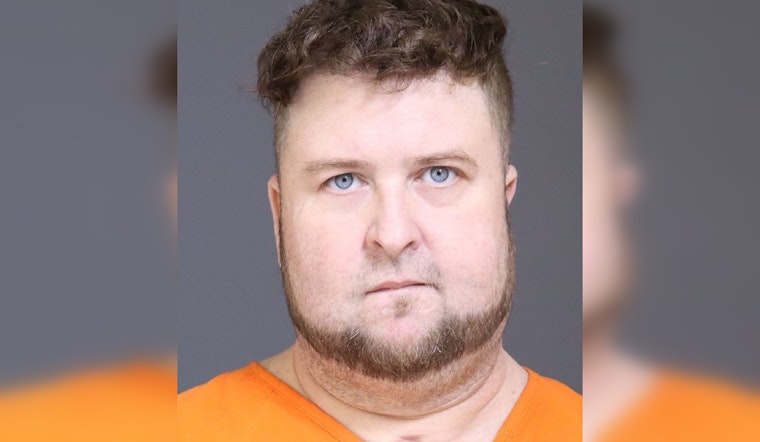
A Miami judge has ruled that the man accused of killing one of the owners of Homestead institution Knaus Berry Farm is competent to stand trial, clearing a major hurdle in a case that has haunted the community for more than a year. Travis Ray Grafe, 43, is charged with second-degree murder and aggravated battery on an elderly person in connection with a February 17, 2023 attack at his parents’ southwest Miami-Dade home that left his mother dead and his father hospitalized.
The decision comes after months of legal wrangling over whether Grafe’s longtime brain injury left him capable of understanding the proceedings or helping his lawyers. At a competency hearing, medical experts split over how impaired he really is. Some urged that he be hospitalized and treated instead of tried, while others described the decades-old injury as moderate and said he could follow what is happening in court. Judge Laura M. Gonzalez-Marques ultimately sided with prosecutors and found Grafe competent to stand trial, according to NBC 6 South Florida.
The violence unfolded on Feb. 17, 2023, at the family’s Homestead home. First responders found 64-year-old Rachel Knaus Grafe unconscious; she later died of her injuries. Her husband, Herbert Grafe, was treated for head trauma. Police said Travis Grafe left the house after the attack and told a neighbor he had killed his mother, leading to his arrest. Those details were reported when the case first emerged by CBS Miami.
Court records and earlier coverage show that a judge appointed Rachel Grafe as Travis’s legal guardian in 2016 after finding he had “substantial brain damage” from a head injury he suffered as a teenager. Prosecutors say Grafe admitted he beat his mother because he did not want her to remain his guardian, according to the arrest report. His criminal history includes prior arrests and previous findings of incompetence in unrelated cases, according to local reporting that includes Eater Miami.
At the competency hearing, Dr. Ralph Richardson testified that he believed Grafe was not fit to proceed, while other evaluators said Grafe could understand and participate in his defense. Another evaluator, Dr. Valdez, told the court there was “nothing that could be done” to change Grafe’s condition, according to arguments presented by the lawyers. Judge Gonzalez-Marques ultimately agreed with prosecutors that the case should move ahead toward trial, NBC 6 South Florida reported.
Charges and legal stakes
Grafe faces charges of second-degree murder and aggravated battery on an elderly person, and the competency ruling allows those counts to move into pretrial motions and scheduling. Under Florida law, second-degree murder is classified as “a felony of the first degree, punishable by imprisonment for a term of years not exceeding life,” as laid out in Florida Statutes §782.04, available via the Florida Statutes. Assaults on people 65 and older are reclassified with enhanced penalties under §784.08, as set out by the Florida Statutes. With competency now resolved, the court will turn to weighing mental-health evaluations, any treatment-related requests, and a schedule for upcoming hearings.
The farm and the community
Knaus Berry Farm is not just another roadside stand; for many South Florida residents it is a ritual stop for cinnamon rolls and strawberry milkshakes once the weather cools. The Homestead landmark resumed seasonal operations last year amid ownership and location changes, even as regulars grappled with the shock of the attack and Rachel Grafe’s death. Locals say the violence left a lasting mark on the community, and area outlets have chronicled both the farm’s outsized role in neighborhood life and the continuing fallout from the case, according to WLRN.
With the competency question answered, prosecutors and defense attorneys are expected to trade a flurry of motions in the coming months, and a trial date may ultimately be set if the case continues on its current track. Future court filings and hearings will determine how the courts handle the complicated mix of mental-health evidence and serious criminal charges that now define this high-profile Homestead case.



