

























































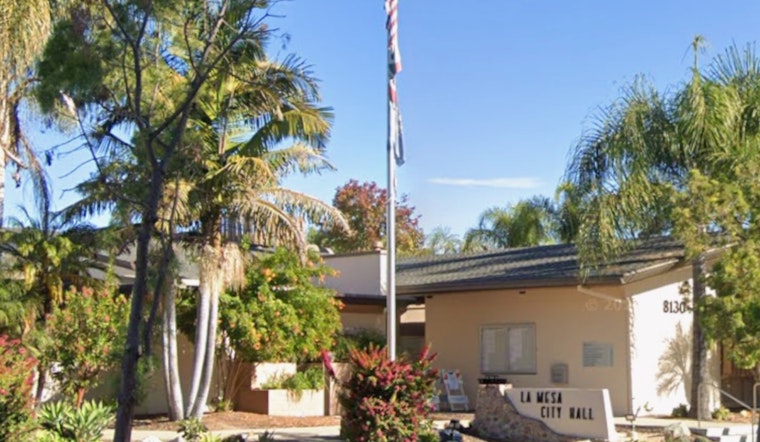
La Mesa is getting serious about putting "eyes in the sky" on emergency calls. The City Council voted this month to let the police department chase federal dollars for a "Drone as First Responder" pilot program and a real-time crime center, a package that backers say would launch rooftop drones on priority calls within seconds. The ask is about $2 million for a one-year trial that city documents describe as running from around October through the following September. Police leaders say the setup could speed response times, sharpen suspect descriptions and give a clearer overhead view at big events like Oktoberfest. Several residents, however, told officials they are deeply uneasy with more aerial surveillance over neighborhood streets.
In a staff report to the mayor and council, the City of La Mesa lays out the formal request for $2,000,000 in federal Community Project Funding and pegs the estimated project period at October 1, 2026 through September 30, 2027. According to the report, the money would pay for the drones themselves, rooftop docking and charging stations, secure data storage and the technology needed to knit live video, mapping tools and dispatch systems into a Real-Time Crime Center. If Washington signs off, the council’s resolution already on the books would allow the city to accept and budget the funds. Staff frame the proposal as a public-safety upgrade that could cut search times and bolster firefighting and missing-person operations.
Congresswoman Sara Jacobs’ office is shepherding the community project request, and in a March letter to the House Appropriations Committee, she formally asked for the funding on behalf of the La Mesa Police Department. In that letter, posted on her congressional website, Jacobs wrote that the money would stand up a Drone as First-Responder program and a Real-Time Crime Center to help the department react to high-priority emergencies more quickly. She also spelled out the federal nexus for the funds and certified that she has no financial interest in the project.
What the program would do
The grant paperwork sketches out a system where drones sit in rooftop docking stations, ready to hop into the air as soon as a high-priority call comes in. Once airborne, the aircraft would stream live video into the Real-Time Crime Center. As described in the project filing with the City of La Mesa, operators would blend those feeds with mapping, computer-aided dispatch data and other tools to track suspects, spot hazards and guide fire crews. The application says drones could confirm directions of travel, support decisions during crimes in progress and sharpen situational awareness at major gatherings. Supporters contend that having fast aerial footage can cut down on the time officers spend searching and, in some cases, clear calls without sending in more patrol units.
Neighbors raise privacy concerns
The sales pitch did not land with everyone. Some residents who spoke to NBC 7 San Diego offered blunt takes on what it means to have police-operated drones overhead. One person suggested the aircraft could help officers monitor "folks that get a little cray-cray," while another warned that "our privacy is being encroached upon little by little." Councilmembers responded that such concerns would shape rules on where cameras can point and how long footage is kept, but some speakers told the station they were still not convinced the city would build in strong oversight and clear retention limits. The tension fits into a wider regional debate over what counts as reasonable aerial surveillance in everyday policing.
Legal and transparency questions
La Mesa’s timing means it will be stepping into a legal landscape that is already shifting under other departments. Cities across California, and the courts that oversee them, are wrestling with how drone video fits under the California Public Records Act. Coverage by the Times of San Diego notes that a case out of Chula Vista has pushed agencies to review drone recordings on a case-by-case basis instead of leaning on broad exemptions. That precedent suggests La Mesa will need clearly written public-records and privacy policies before any footage becomes part of the city’s regular archives. Civil-liberties advocates and journalists have already been calling for transparent retention timelines and strong redaction practices for any police drone programs.
How other cities are doing it
Local officials do not have to look far for real-world examples. The City of Chula Vista has operated its own Drone as First Responder program that launches aircraft from police rooftops to reach scenes ahead of officers, according to the city’s announcement, and the Oceanside Police Department runs an unmanned aircraft systems program that recently moved into a pilot phase. Reports on Chula Vista’s early deployments say the drones have helped officers track suspects and, in some situations, close out calls without sending ground units. Oceanside’s effort, meanwhile, got off the ground with state grant funding. Both rollouts offer La Mesa a preview of how the technology can work in practice, along with a look at the legal fights and community skepticism that often trail behind.
What’s next
For now, La Mesa’s council has only opened the door to applying for money; it has not committed the city to spend a dollar. Officials expect to find out around July whether the Community Project Funding request is successful, and the pilot period in the application begins October 1, 2026, if the grant comes through, as reported by NBC 7 San Diego. If federal money does arrive, councilmembers would still have to formally accept and appropriate it, and police leaders say they would return to the public with detailed policies on who can access drone data, how long it is stored and how oversight will work. Until then, the vote effectively puts La Mesa on the growing list of California cities looking to test aerial first response while the rules around privacy and public records are still being written.





