

























































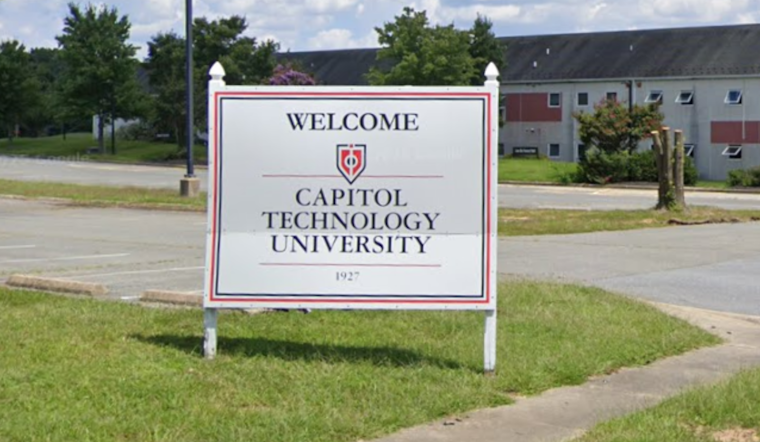
Capitol Technology University is looking to the flight deck to keep its enrollment boom from stalling out. The Laurel-based STEM school says its student body has climbed roughly 44 percent, and administrators are leaning hard into aviation degrees and regional flight-training partnerships to keep that growth going. Leaders pitch the effort as both a direct pipeline into high-paying pilot careers and a way to extend the university’s reach across the Baltimore–Washington corridor.
According to the Baltimore Business Journal, Capitol Tech’s recent recruitment push and program investments helped drive the roughly 44% jump in headcount. The university is now treating aviation as one of its marquee offerings in an increasingly competitive higher-ed market.
New flight training sites and an FAA pathway
In a January news release, Capitol Technology University said its B.S. in Aviation Professional Pilot program is adding Frederick Municipal Airport and Martin State Airport to existing flight training at Fort Meade and the Navy Annapolis Flight Center. The school also reported that it has FAA authorization to certify eligible graduates for the Restricted-ATP pathway, which shortens the usual ATP flight-hour requirement and lets qualifying students take the practical test at a younger age. Officials say the extra locations give students more scheduling flexibility and can help them move faster into airline hiring pipelines.
Academic approvals and growth targets
State paperwork shows aviation is just one piece of a wider academic buildout. Documents filed with the Maryland Higher Education Commission list aviation and astronautical degrees alongside new master’s and doctoral offerings, tying the additions to the university’s long-term strategic plan and enrollment goals for undergraduate, master’s, and doctoral programs in the years ahead.
Why aviation makes sense now
The job market backdrop helps explain the timing. U.S. Bureau of Labor Statistics data show median annual wages for airline pilots and copilots sitting in the six-figure range, an eye-catching figure for students weighing STEM options. Capitol Tech and its partners point to a wave of retirements and a relatively thin pipeline of new pilots as reasons to expand training capacity. For a small, specialized STEM institution, a four-year pilot degree tied to FAA pathways can serve as both an enrollment magnet and a direct route into a high-demand career field (BLS).
Local outreach and next steps
Capitol Tech is also working to hook future flyers early. The Prince George’s Post reported that the university will host an AeroCamp for high-school students this July at Fort Meade, giving teens hands-on time with simulators and real-world flight experiences. The school says the expanded aviation offerings and additional training locations are slated to come online for the fall 2026 term, creating new pipelines for both regional employers and local students (Capitol Technology University).
University officials frame the aviation push as part of a broader strategy to turn niche STEM instruction into clear job outcomes. Observers note that growing flight programs are not exactly a low-budget hobby, requiring spending on simulators, maintenance, and airport partnerships. Still, if Capitol Tech’s early enrollment surge holds, its bet on the skies could pay off in both student numbers and a steadier local pilot workforce.



