

























































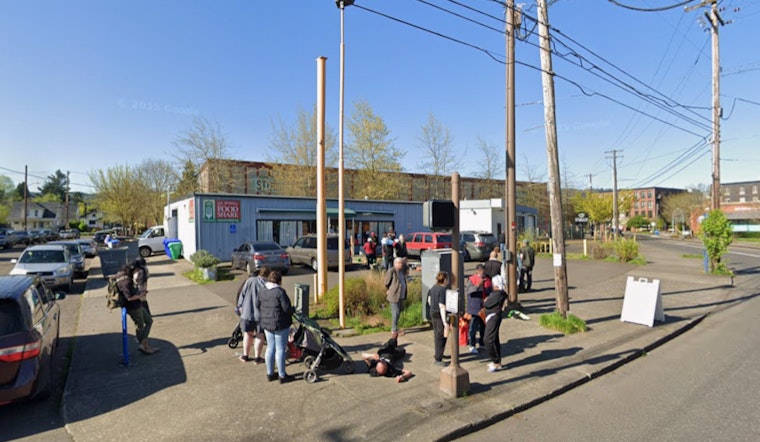
Before dawn on recent mornings, a line snakes up the block outside the volunteer-run St. Johns Food Share in North Portland as neighbors wait for the pantry to open. Volunteers and leaders say a surge in visitors has forced them to change how they hand out food and to set limits on high-demand items. For many regulars, those shifts mean fewer chances to pick up meat and eggs when they need them.
Visits to St. Johns Food Share are up about 48% from a year ago and roughly 22% in just the past month, while donations have fallen by roughly 40%, according to KATU. "I mean, the line speaks for itself," pantry president Tiffany Slottke said. Volunteers say the surge has outpaced what they expected this spring and has staples running out fast.
The pantry, set up like a small grocery where guests choose their own food, is open Monday, Wednesday and Friday and has posted a revised protein schedule to cope with shortages, according to St. Johns Food Share. In April 2026 the organization limited meat distribution to Mondays and offers eggs on Fridays, with a midweek boiled-egg option when available. The pantry also notes that volunteer staffing and flexible cash donations help it buy what it needs most.
Statewide demand is rising
The local crunch mirrors a bigger trend. The Oregon Food Bank's 2026 State of Hunger report found that food-assistance visits rose 51% over two years and the network saw about 2.9 million visits last year, leaving many partner pantries stretched thin, according to Oregon Food Bank. The report warns that visits are growing faster than available food, an imbalance pantry leaders say donations alone cannot fix. Advocates point to benefit and funding changes as key drivers of the increased need.
How neighbors can help
St. Johns Food Share asks for cash donations because money lets volunteers buy scarce items in bulk and respond quickly to spikes in demand, per the pantry's donation information. To give or sign up to volunteer, go to the pantry's donation page at St. Johns Food Share or drop off food during regular hours. Organizers say small monthly gifts and workplace or neighborhood drives can make a measurable difference in keeping fresh food on the shelves.
For many who rely on it, St. Johns Food Share is more than a line; it is a lifeline that volunteers are racing to preserve as demand climbs. Pantry leaders say the coming weeks will test their ability to keep fresh food available and are urging residents, businesses and policymakers to step up. Hours and the best ways to help are listed on the pantry website and through Oregon Food Bank resources.



