

























































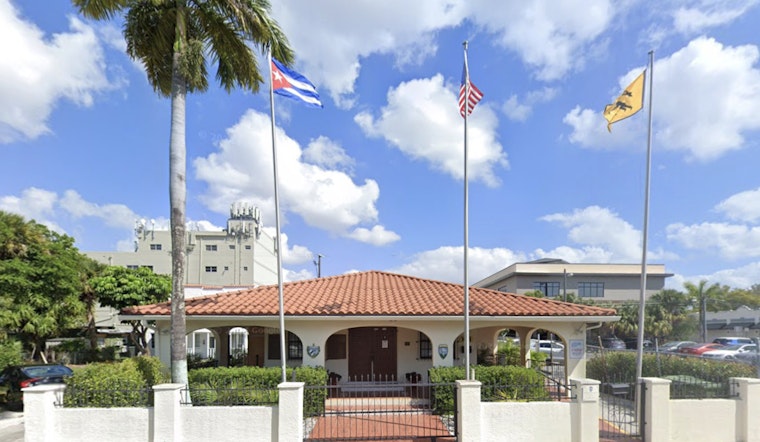
Little Havana’s Bay of Pigs Museum is getting a second life this week, reopening in a larger, purpose-built home just in time for the 65th anniversary of the Bay of Pigs invasion on April 17, 1961. The redesigned space is meant to give aging Brigade 2506 veterans room to tell their stories and to safeguard artifacts, photographs and personal mementos as most survivors enter their 80s and 90s. Organizers describe the project as equal parts memorial and classroom for younger Cubans and Miami residents.
New home on the same Little Havana corner
The new two-story museum, roughly 11,000 square feet, rises on the original site of the old house-museum and replaces the cramped rooms that once tried to hold decades of history. The project was funded by Miami-Dade County, the state of Florida and private donors, according to CBS News Miami. Museum leaders have planned a veterans-only ceremony for Friday, April 17, 2026, with the museum opening to the public after that event. Inside, visitors will find photographs, documents and interactive elements designed to put the exile community’s experience into context.
Remembering April 17, 1961
Roughly 1,500 Cuban exiles, trained and supported by U.S. agencies, took part in the Bay of Pigs operation. More than 100 were killed or drowned, and about 1,200 were captured and held for around 20 months, figures reported by The Associated Press. Veterans groups estimate that only about 200 members of Brigade 2506 are still alive, many of them in Miami, which organizers say adds urgency to preserving artifacts and oral histories while firsthand witnesses remain. The reopening is also being treated as a reunion for survivors and their families.
Local money pushed the project across the finish line
County documents show a series of funding allocations in 2024 and 2025 that helped complete construction, according to Miami-Dade County filings. Local officials previously handed over two checks that totaled 3.8 million dollars for the museum effort, with state grants and private donations supplying the remaining funds. The money was directed specifically toward building a modern exhibition area and climate-controlled storage meant to protect fragile items, a priority for curators who have watched materials age in less than ideal conditions.
Veterans say the exhibit is urgent
For the men who trained and fought, the museum is not just a military timeline, it is a record of exile, loss and a failed attempt to reclaim their homeland. Veteran Manuel Portuondo, who trained in Guatemala before the invasion, described the reopening as the culmination of a lifetime of longing and added that "freedom has a price," as reported by The Associated Press. Rafael Montalvo, president of the Brigade 2506 Veterans Association, has said the space is also meant to teach visitors about the harms of decades of Cuban dictatorship.
How to visit
Organizers say the museum will open to the public after the veterans’ ceremony and is expected to welcome school groups along with broader educational programs that focus on civic engagement and the history of exile. The museum shares contact details and visitor updates on its own website, which organizers are using to arrange tours and group visits. Local advocates say the new facility is intended to keep Little Havana’s layered history in view even as development pressures continue to reshape the neighborhood around it.





