

























































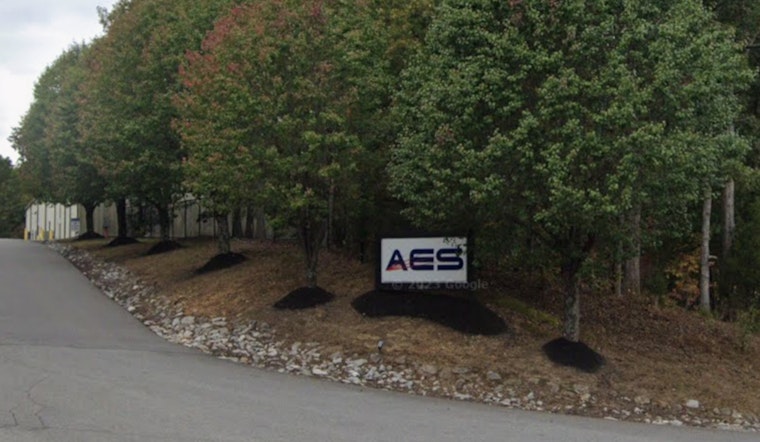
An attorney for victims of the Accurate Energetic Systems plant explosion in McEwen says fresh state and federal findings point to “very egregious errors” inside the facility. The criticism follows recently released investigative updates on the Oct. 10, 2025, blast that leveled Building 602 and killed 16 people, as families and local officials press for answers while regulators wrap up probes and civil cases start to roll.
In a statement, lawyer Lee Coleman, who represents five of those killed in the disaster, called the new findings deeply troubling and said his team will follow every possible contributory cause behind the tragedy, according to FOX17. Coleman represents Adam Boatman, Jeremy Moore, Rachel Woodall, Reyna Gillahan, and Mint Clifton, the outlet reports. He added that his office will hold off on commenting about specific pieces of evidence while investigations and potential litigation remain active.
The Tennessee Occupational Safety and Health Administration has issued a wide-ranging set of citations and more than $3.1 million in proposed penalties tied to the explosion, including 59 willful violations totaling roughly $3 million, according to WSMV. TOSHA described its work at the site as the agency’s largest investigation and said employers have 20 days to request an informal conference or formally contest the findings. The penalties fall into willful, serious, repeat‑serious, and other‑than‑serious categories.
What Federal Investigators Reported
The U.S. Chemical Safety Board said in a March update that the Oct. 10 series of detonations began inside Building 602 during a “melt‑pour” production process and that about 23,000 pounds of energetic material either detonated or burned that morning. Investigators found the building lacked a sprinkler or deluge fire‑protection system and flagged kettles and hand‑pouring stages in the cast‑booster manufacturing process for closer review. Debris was blown more than 700 feet from the site, and the event registered as a 1.6‑magnitude seismic occurrence, according to the U.S. Chemical Safety Board.
AES has pushed back on portions of the findings even as it says it is cooperating with investigators. The company told local media it is “carefully reviewing” the compliance report and disagrees with parts of the agency’s conclusions, according to WSMV. An AES representative also told FOX17 there are no plans to rebuild the facility right now because investigations are still ongoing, and the company said the cited violations “do not represent the standard of safety we strive to achieve.”
Legal Fallout
Civil lawsuits are already moving through the courts, and more claims are expected as families and attorneys digest the growing stack of regulatory documents. A wrongful‑death lawsuit filed in October seeks up to $12 million on behalf of a child who lost a parent in the explosion, according to WBKO. Lawyers for victims say TOSHA’s conclusions, along with the CSB’s technical findings, could end up as key evidence in civil cases if the agency's determinations hold.
Why Investigators Say Safety Gaps Mattered
Investigators point to a volatile combination of hot kettles, manual handling of molten energetic material, and nearby storage of explosive components as conditions that allowed an initial deflagration to escalate into a far more catastrophic event. The CSB is reviewing process safety management, equipment design, and industry guidance in an effort to pinpoint root causes and craft recommendations aimed at preventing similar incidents. “This is one of the deadliest industrial incidents in our country in years,” CSB Chair Steve Owens wrote in the agency’s update, according to the U.S. Chemical Safety Board.
Federal and state investigators, including ATF agents and state criminal investigators, remain involved in the case, and the company’s campus is not being rebuilt while hazards are addressed and evidence preserved, according to public statements and media reports. Hoodline previously covered the community’s immediate response to the disaster, including mutual aid from neighboring departments and an assistant fire marshal joining the probe; see Assistant Fire Marshal Joins Investigation. Regulators say full technical reports and any final enforcement actions could still be months away, and both civil and administrative challenges are expected to shape the ultimate public record.





