

























































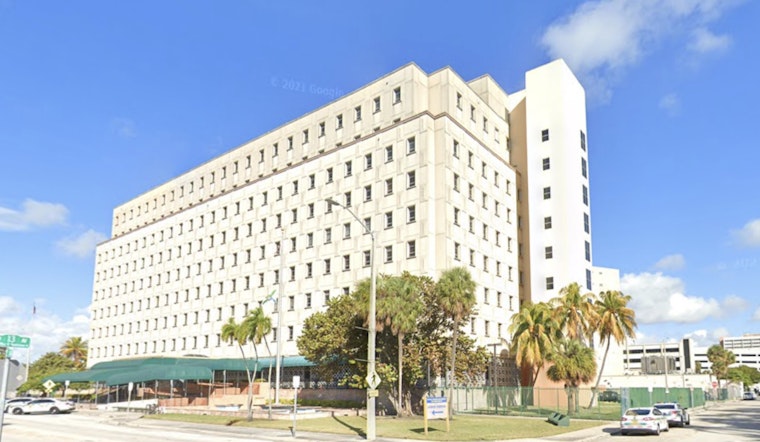
Shackled and dressed in red, Rafael Andres sat before Miami-Dade Circuit Court Judge Zachary James on Monday while a courtroom full of family members and prosecutors watched a final, high-stakes proceeding unfold. In a Spencer hearing that offered one last chance to sway the court, former cellmates appeared to ask the judge to spare Andres from a return to Florida's Death Row for the 2005 killing of La Carreta waitress Yvette Fariñas. The jury recommended death last fall, but under Florida law the ultimate call now rests with the judge, who must choose between execution and life in prison.
Inmates Describe 'Peacemaker' Side
Testifying via Zoom, several inmates described a version of Andres that stood in sharp contrast to the brutal facts of the murder case. They told the court that behind bars he had become a peacemaker, someone who stepped in to break up fights, shared commissary and helped other prisoners navigate life on Death Row.
As reported by the Miami Herald, Death Row inmates Chadwick Willacy and William Sweet called Andres the kind of prisoner who helped newcomers adjust and supported others' appeals work. Willacy, scheduled to be executed on April 21, went further, telling the court that Andres was a "true brother" whose conduct behind bars, he argued, should count for mercy.
Details Of The 2005 Killing
Prosecutors countered with a stark reminder of why the case was in a capital phase at all. They revisited the night of January 24, 2005, when Andres used a spare key to enter Fariñas' efficiency, beat her until she handed over an ATM PIN, then stabbed her and strangled her with the cord from a rice cooker, according to reporting by the Associated Press. Prosecutors said he then tried to burn evidence.
A neighbor saw Andres leaving with a gas can, and investigators later tied DNA from the scene to him. That evidence helped secure his conviction and an initial death sentence after jurors first recommended execution.
Family Says Past Shows Pattern
For the families left behind, the hearing reopened wounds that never really closed. Relatives urged Judge James to weigh not only the cruelty of Fariñas' death but also a previous homicide linked to Andres, saying the violence stretched across decades and generations.
Per the Miami Herald, Rene Azcarreta, who found his mother's body after she was stabbed in 1987, told the court, "that image never leaves you." Prosecutors argued that the earlier killing and the manner of Fariñas' murder showed a pattern that justified a death sentence.
Defense attorneys did not dispute the pain but urged the court to consider Andres' years of cocaine addiction and what they described as genuine rehabilitation in prison as reasons for leniency. Both sides are expected to file written sentencing memoranda in May, giving Judge James more legal and factual argument to sift through before he rules.
What Comes Next
The Spencer hearing is designed to let the judge weigh aggravating and mitigating factors in a capital case, as well as hear any last testimony, before a formal sentence is entered. The procedure stems from the Florida decision in Spencer v. State and has been summarized in federal court records as giving "the defendant, his counsel, and the State" an opportunity to be heard and to present additional evidence before the judge decides punishment. For background, see GovInfo.
If Judge James imposes a death sentence, the case will move into the appeals and post-conviction review process. If he opts for life in prison, the legal fight over whether Andres returns to Death Row will effectively end in that courtroom, even if the emotional fallout does not.





