

























































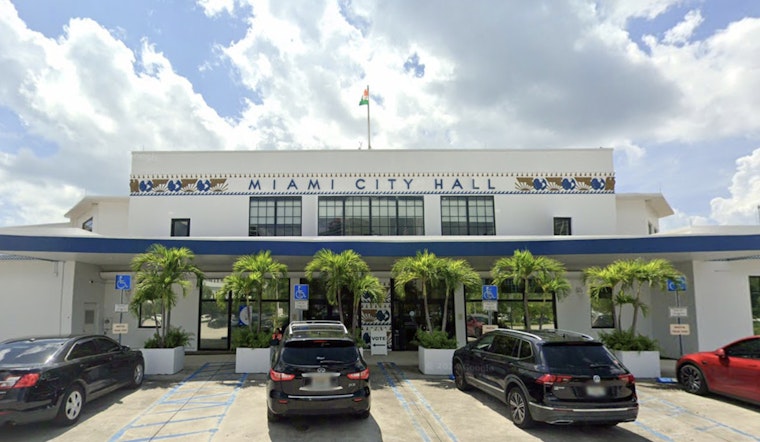
Dozens of Miami residents have taken their tree fight straight to City Hall, sending a letter Monday to Mayor Eileen Higgins, City Manager James Reyes and the City Commission that urges an immediate pause on most tree removal permits. The signers warn that losing large chunks of the city’s canopy could crank up neighborhood flooding and urban heat just as rainy season rolls in. Organized by a Sierra Club Miami member, the petition calls for a timeout on certain removals until an expert and stakeholder panel can review how permits are granted. Neighbors from Brickell to Morningside say mature street and yard trees are being cut for development, then swapped out for smaller trees, sparse landscaping or plain concrete.
Residents escalate to City Hall
As reported by CBS Miami, the letter features comments from resident Sandy Moise, who wrote that “literally our trees are getting slaughtered,” along with dozens of signatures pressing for a quick halt. Florida International University associate director Chris Baraloto told the station that Miami’s remaining large trees help cool neighborhoods and absorb stormwater, exactly the issues residents say are becoming more obvious as the downpours return. The group is asking the city to focus any pause on removals linked to development projects and to give extra protection to specimen trees while the review is underway.
Internal policy changes at the center of the dispute
Reporting by WLRN details how the Building Department began revising internal tree permitting policies in early 2024. Staff shifted to a faster, paperwork-heavy system that can limit pre-approval site visits. Critics and former employees say the new guidance, combined with the reassignment of the Environmental Resources Division chief, has weakened on-the-ground oversight and made it easier for flawed or inaccurate applications to slide through the process.
City: Chapter 17 still governs permits
City officials counter that the core rules in Chapter 17 of the municipal code have not changed and that applications are still reviewed under those standards, with required documentation from licensed professionals. Site visits and post-work inspections remain available for enforcement, according to the building department. As outlined by the City of Miami and in City of Miami code, tree removal permits must include plans for replacement or mitigation and can carry conditions spelled out in the ordinance. The administration describes the recent tweaks as administrative refinements meant to streamline the process, not loosen protections.
Promises slow to materialize
Residents point out that last summer the commission signed off on more than $100,000 to fund a public engagement effort and create a tree committee, yet the panel still has not been activated nearly a year later, according to CBS Miami. Moise and other signers say the delay has chipped away at trust in the permitting system. Commissioner Rafael Rosado, in an email to city management, questioned why the appointments he submitted for the committee have not been convened. The unresolved issue is whether the city will now move faster to staff and launch the advisory group that residents were told was coming.
What residents want and next steps
Advocates are calling for a narrowly tailored moratorium on permits that would remove mature, canopy-forming trees connected to development projects, along with a faster rollout of community workshops and the promised resident advisory group. City staff say public outreach is in motion and that a conflict-resolution firm is on board to help guide the talks. WLRN reported that the city has contracted the Florida Conflict Resolution Center to support that engagement. For now, residents plan to keep pressing commissioners at upcoming meetings until the committee is seated and new guardrails are in place.
With South Florida’s rainy season looming and insurance worries mounting, residents and local scientists argue that the tree fight is no longer a feel-good environmental debate but a practical one. Canopy cools blocks and slows stormwater, and once big trees are cut, it can take decades to regain that protection. Whether City Hall moves quickly enough to satisfy those concerns is still an open question, but the uproar has already pushed tree policy to the top of neighborhood agendas across Miami.





