

























































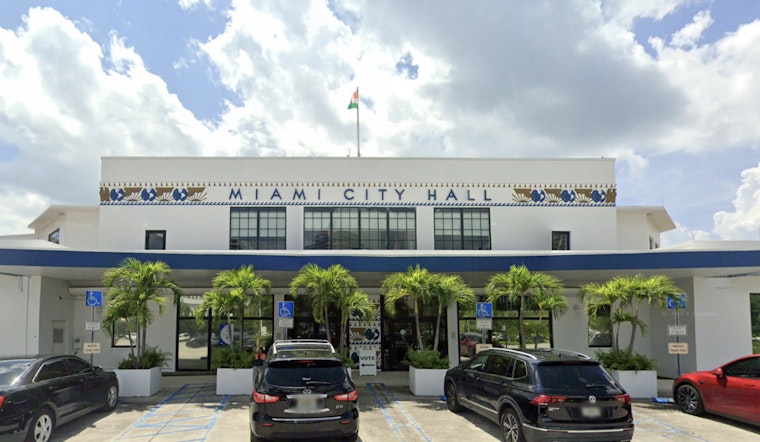
Miami is quietly tightening its emergency playbook as City Hall warns the city is likely to be ground zero if Cuba’s political situation suddenly flips. Departments are dusting off and updating plans for sheltering, medical screening and crowd control, while also lining up potential reception sites. The behind-the-scenes work leans heavily on Miami’s long history as a primary destination for Cuban migrants and on fresh reminders that tensions in the region can spike fast.
As reported by CBS News Miami on April 23, 2026, city leaders say they are ramping up planning for housing, supplies and coordination with federal agencies. Officials told the station they are pinpointing locations where people could be received and are pre-staging equipment with federal partners so processing can move quickly if a wave of arrivals materializes.
City Manager Orders A 'Refresh' Of Response Plans
At a recent City Commission meeting, City Manager James Reyes said he instructed the fire and police chiefs to “refresh” their action plans in light of developments in Cuba. Internal briefings show agencies have followed through and updated their response playbooks. One internal police memo warned that a major change on the island “is expected to generate immediate, large-scale spontaneous celebrations” centered in Little Havana, downtown and other high-visibility areas. Coverage also notes that Miami is part of a task force with county, state and federal partners that is positioned to assist on the migration front, according to the Miami Herald.
Tensions At Sea Add To Concerns
The planning comes amid heightened regional friction, including a February confrontation in which Cuban authorities said a Florida-registered speedboat opened fire and four people were killed. Reporting on that incident has underscored how quickly instability on the island can produce ripple effects in South Florida, as noted by The Guardian.
What Officials Say They're Doing
City officials describe the current work as precautionary, not predictive. Plans on the table focus on temporary housing and medical screening, pre-staging food and other supplies, and coordinating transportation and processing with federal partners in an effort to avoid bureaucratic choke points, CBS News Miami reported. Staff also told commissioners they are mapping specific locations where reception operations could be set up quickly so any arrivals can be handled safely and with less disruption to everyday life.
Civic groups, elected officials and neighborhood leaders say they will be watching closely to see how those plans are carried out, and the city says it will brief the public if reception operations are activated, per the Miami Herald. For now, the planning serves as a reminder that events just offshore can trigger big changes onshore in a city whose identity is tightly bound up with Cuba.




