

























































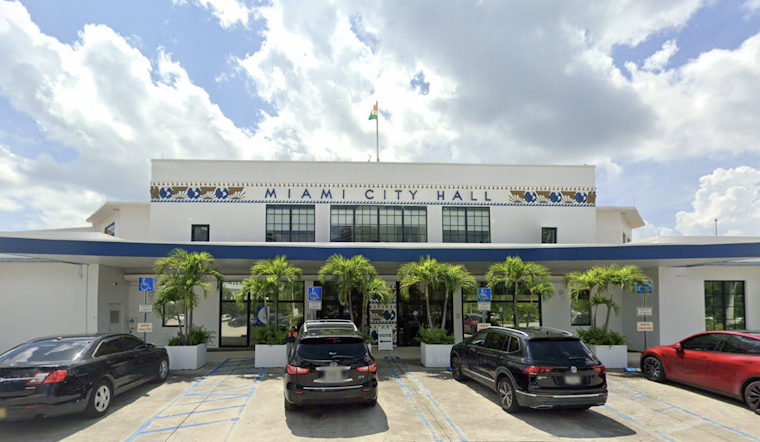
Miami’s long‑running battle over when voters head to the polls is about to come with one last bill. The City Commission is set to vote next week on roughly $150,000 in public money for the law firm that represented former city manager and mayoral candidate Emilio González in his lawsuit to block the city’s attempt to postpone the 2025 municipal election. The proposed payment would cover appellate attorneys’ fees and taxable costs tied to the case that ultimately restored the city’s original election schedule, putting a clear price tag on a legal fight that drew statewide scrutiny and triggered two court rulings against the commission’s ordinance.
According to Miami Herald reporting, commissioners are slated to vote on approving a $150,000 settlement payment to González’s lawyers, described in a city memo as covering appellate attorneys’ fees along with taxable trial and appellate costs. City staff say the figure is meant to wipe out outstanding bills tied to the appeal instead of dragging the dispute back into court. The decision could land on the agenda as soon as next week’s regular commission meeting.
City Already Sunk Six Figures Into The Appeal
WLRN reported that public records show Miami had already spent at least $150,414.68 on outside counsel in the failed appeal, with more than $61,000 in invoices arriving after a judge struck down the election‑delay ordinance. Billing records indicate Coral Gables firm Kozyak Tropin & Throckmorton handled much of the appellate work, charging hourly rates up to $750 for senior attorneys. Critics argue the invoices turn the whole episode into an expensive civics lesson in a legal strategy they say never should have left the drafting table.
What The Courts Said
In July 2025, a Miami‑Dade circuit judge ruled the ordinance unconstitutional on the grounds that it effectively amended the city charter without a public referendum, a conclusion later affirmed by the Third District Court of Appeal, according to Justia. The appeals court memorably described the measure as “a charter amendment dressed in lesser clothes, fragrant in title but thorned with consequence,” and it rejected the city’s request for an en banc rehearing. Those decisions restored the 2025 election date and cut off the commission’s attempt to shift municipal races to even‑numbered years by ordinance.
Next Steps
The proposed payout would close one chapter in a months‑long legal standoff, though it leaves the broader fight over Miami’s election calendar very much alive. Commissioner Damian Pardo, who sponsored the original ordinance, is now pushing a ballot measure that would ask voters to approve moving to even‑year elections and create one‑time five‑year terms for commissioners, while Mayor Eileen Higgins has floated shortening her own term to speed up the transition, according to Miami Herald coverage. If the commission signs off on the settlement, supporters say it clears the way for voters to decide the schedule at the ballot box instead of in a courtroom.
Taxpayer advocates and some candidates have blasted the city’s legal strategy and the tab it left behind, calling the effort a power grab that cost residents both money and political capital. City leaders counter that syncing municipal races with statewide elections could eventually boost turnout and save cash, even if the current result is a six‑figure bill and fresh scrutiny of how Miami hires and manages outside counsel, as detailed by WLRN. The upcoming vote will show whether commissioners are ready to close the books with a settlement or roll the dice on more litigation.
Legal Takeaway
The appellate decisions made it plain that Miami cannot change the timing of its charter‑defined elections through an ordinance alone; any lasting shift has to go to a public referendum, according to the court’s opinion published on Justia. Legal experts say the cleanest route to even‑year elections is straightforward ballot language and voter approval, not another round of courtroom sparring. For now, the proposed $150,000 payout stands as a concrete aftershock from a case that reshaped how Miami talks about its election calendar.





