

























































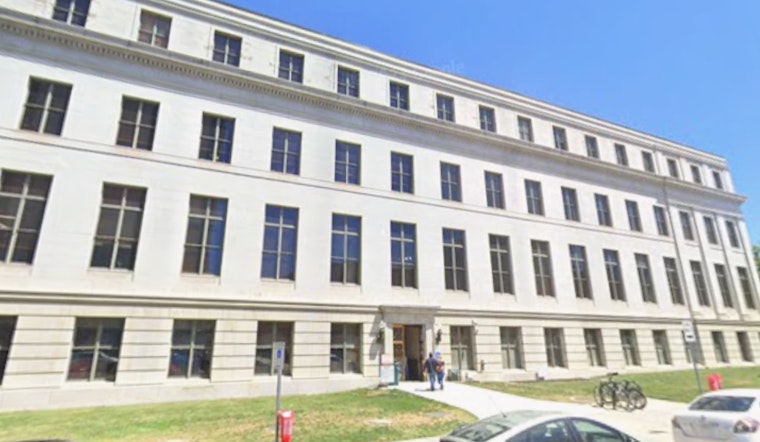
Denver's Center Origin, billed as the state's first licensed psilocybin healing center, has taken a very public swing at two former staffers and a Littleton competitor, accusing them in Denver District Court of stealing trade secrets, breaking their contracts, and running what the complaint calls a "civil conspiracy" to siphon off clients. The suit names Michaela Vogt, Avi Zadaka, and NeuroAlchemy, and asks for financial damages, disgorgement of profits, and a court order blocking use of the Center's confidential systems and client lists.
According to Westword, the complaint claims the defendants misused "proprietary systems, confidential information, and business relationships" developed inside Center Origin. The filing seeks to bar the trio from using the Center's alleged trade secrets or soliciting its current clients. On paper, that translates into claims for breach of confidentiality, violations of non‑compete and non‑solicit clauses, and civil conspiracy. In plain English, the Center is telling a judge that this is really a fight over how a brand‑new, tightly regulated industry should share or lock down its operational playbook.
The accused are not backing down. Henry Baskerville, who represents Vogt, Zadaka and NeuroAlchemy, told Westword the allegations are "premature and in bad faith," adding that "The Center Origin doesn't have any novel recipe for Coca‑Cola." He also pointed to Colorado's limits on non‑compete enforcement. The Colorado Department of Labor's 2026 Publication and Yearly Calculation of Adjusted Labor Compensation (PAY CALC) Order, issued by the Colorado Department of Labor, sets the threshold for highly compensated workers at $130,014 in 2026.
Where The Centers Stand
Center Origin opened under a state license in July 2025 and operates out of a LoDo office at 1440 Blake Street, offering what it calls "Journey Work," integration services and facilitator training, according to The Center Origin. Colorado's rollout of the Natural Medicine program has produced dozens of licensed healing centers around the state, creating a patchwork of referral networks and business models as the market tries to find its balance. Colorado Public Radio has documented that rapid expansion, and the structural differences between centers now sit at the core of this lawsuit's claims about how clients, staff, and proprietary training materials were handled.
Rival's Model And The Dispute
NeuroAlchemy, based in Littleton, markets facilitator memberships, trainings and shared‑space bookings that let independent facilitators operate under a rental‑style setup, according to the company's own materials. The suit contends that this membership‑and‑rental approach let the defendants copy Center Origin's systems while presenting themselves as independent facilitators. That distinction is central to the claims of trade‑secret theft and improper solicitation of clients.
Legal Stakes For Non‑Competes And Trade Secrets
The legal fight turns on two main questions: whether Center Origin's materials qualify as trade secrets and whether Colorado's restrictive‑covenant rules allow the type of non‑compete agreement the Center says its staff signed. State law generally voids broad non‑competes but leaves room for narrow restrictions aimed at protecting trade secrets. For the statutory framework, the parties are looking to Colorado's statute on restrictive covenants, C.R.S. § 8‑2‑113, as compiled by Justia, along with the Division of Labor Standards and Statistics' PAY CALC Order. How a Denver judge reads those limits in a brand‑new sector could shape how centers document, share and guard training programs, client lists and facilitator curricula from here on out.
What It Could Mean For Colorado's Natural‑Medicine Market
People watching the industry say a case like this was almost inevitable. With Colorado's natural‑medicine market only recently legalized, entrepreneurs are still testing where the lines are around competition, collaboration and what counts as protectable know‑how. Rapid growth in licensed centers and facilitators has created strong incentives to lock down clients, training pipelines, and operational methods. The outcome of this case could push healing centers to tighten their confidentiality rules, redraw partnership and rental agreements, or both.
For now, the suit sits pending in Denver District Court, with both sides saying they are ready to let a judge sort through the facts. However it lands, the dispute offers an early look at the business and legal headaches likely to follow as Colorado's natural‑medicine economy grows up.





