

























































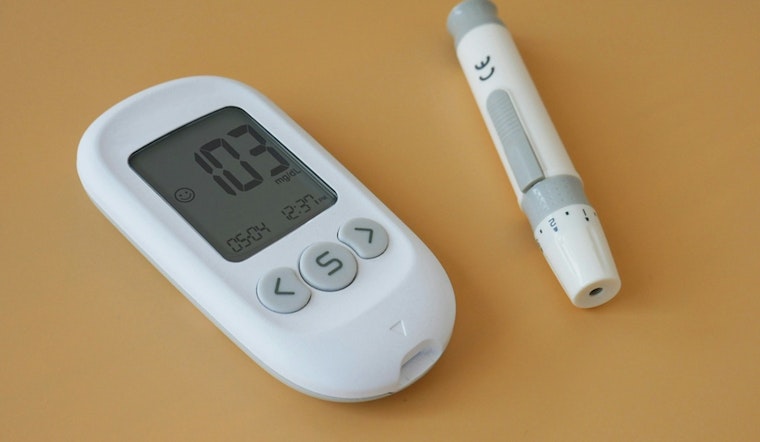
A recent ChicagoLIVE segment turned heads with talk of a $51 million jury award tied to an alleged missed blood-glucose test, according to a local attorney. If that figure is confirmed, it could crank up scrutiny on one of the most basic emergency room rituals, the quick blood sugar check at the bedside. The guest warned that skipping a simple point-of-care glucose reading can snowball into missed diagnoses and delayed treatment, adding yet another layer of pressure to already strained ER workflows and malpractice risk for hospitals and clinicians.
As reported by FOX 32 Chicago, the ChicagoLIVE segment aired April 8 and featured a Chicago attorney walking viewers through the reported award and what it could signal for emergency care. The video frames the case around an alleged missed blood-glucose test and casts the verdict as a cautionary tale for clinicians and hospital risk managers.
What the ChicagoLIVE segment said
The segment promo described it this way on FOX 32 Chicago: "A Chicago attorney breaks down a major jury award tied to a missed blood glucose test and what it could mean for emergency care." On air, the analysis highlighted how a missed point-of-care reading, the quick check usually done at triage or on arrival, can become the central issue in a malpractice case. The broadcast offered legal commentary on the stakes and potential fallout, and it did not present full trial filings or detailed court documents on screen.
Why glucose checks matter
The American Diabetes Association Standards of Care call for prompt point-of-care blood-glucose testing in hospital settings and spell out hypoglycemia thresholds that require immediate treatment. Missing a dangerously low or high reading can trigger rapid neurologic decline or other serious complications. That is why clinicians commonly check blood sugar on arrival or whenever a patient shows altered mental status.
Big malpractice awards and emergency care
Large medical malpractice verdicts tied to alleged lapses in emergency care have been drawing more public attention in recent years. One high profile example came in Hillsborough County, where a jury returned a $70.8 million verdict in September 2025, including $51 million for pain and suffering, after finding that an ER patient who was sent home later suffered a catastrophic stroke, according to the Tampa Bay Times. That case illustrates how a single omitted test or unperformed check can become the foundation of a complex malpractice claim and very large damage awards.
Legal implications
Verdicts of that size rarely end when the jury walks out. Large awards often trigger post-verdict motions to reduce damages, appeals, and rapid review by hospital risk teams and insurers. Coverage of multimillion dollar medical verdicts has underscored how these cases can reshape documentation habits, triage routines, and overall emergency department protocols, according to reporting by Bloomberg Law.
What we could verify
At the time of publication, the ChicagoLIVE segment was the main public reference to a $51 million award tied specifically to a missed blood-glucose test, and no separate court filings or independent news stories were located that documented a distinct $51 million glucose-related verdict. The review did confirm other recent large ER malpractice rulings and examined clinical guidance that treats point-of-care glucose testing as a routine step.
Watch for court records, hospital statements, or filings from the parties that shed light on the case discussed in the ChicagoLIVE analysis. If the reported ruling is confirmed, it could drive changes in triage checklists and documentation practices across emergency departments. This story will be updated if and when filings, official statements, or additional reporting become available.





