

























































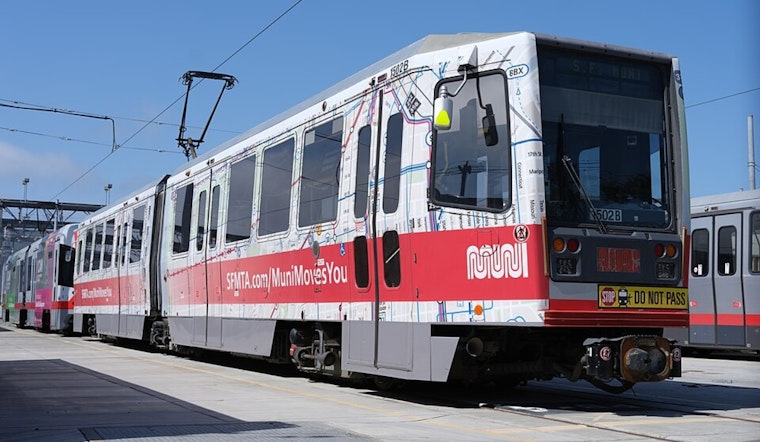
Commuters rubbing the sleep from their eyes yesterday were met by something they do not usually see on San Francisco’s Muni system: squads of volunteers in bright vests hopping on and off buses and trains, talking with riders in English, Spanish, and Mandarin about how to report harassment. They handed out pamphlets, fielded questions and, on at least one bus, broke into chants of “Keep Muni safe! 311,” all in an effort to make reporting bad behavior feel like a normal part of riding the system.
According to SFGATE, SFMTA acting director of transit Brent Jones greeted more than 60 volunteers inside the agency’s atrium before they headed out. Jones told them the outreach blitz is meant to “double down” on listening to riders and show that the agency takes their safety concerns seriously. Organizers say the whole point is to turn one-off complaints into steady reporting so Muni can zero in on where to place staff and other safety resources.
Where To Report
Riders who experience harassment have several options. They can submit a Muni feedback form online, call 311 for non-emergency issues, or dial 911 in life‑threatening situations. On the feedback page, people are encouraged to share the route, time and vehicle number and can choose to remain anonymous or request a follow-up. According to SFMTA, those details are crucial for investigating incidents and tightening up safety on specific lines that may be seeing repeat problems.
Agency Strategy And Next Steps
The outreach push is part of SFMTA’s broader Safety Equity Initiative, a multi-pronged effort that has expanded transit ambassador programs, leans heavily on onboard cameras and now asks riders directly about harassment in annual surveys, according to SFMTA. “Our message is simple: We don’t tolerate harassment and you have multiple options to report it,” the agency wrote in a recent update.
Survey results will feed into a forthcoming Safety Equity Action Plan that could include brighter lighting at stops, more targeted staffing and fresh rounds of public education campaigns. Officials say they also review camera footage and gather community input, then layer that information on top of rider reports to decide where and when to deploy their teams.
Numbers And What They Mean
SFGATE reports that the San Francisco Police Department logged 423 crimes on Muni in 2025, while recent surveys found that about 75% of riders said they felt safe on the system. SFMTA Chief Security Officer Kimberly Burrus told reporters that harassment and many safety incidents are still significantly underreported, which is why the agency is so focused on getting more formal complaints it can actually track and act on.
To make a report that Muni can follow up on, officials advise riders to note the route, time and vehicle number whenever possible, then use 311 or the online feedback form so staff can investigate and adjust staffing or other resources. They add that this outreach is not a one-day stunt: the agency plans to keep using reports and survey data in the months ahead to shift staffing, improve lighting and fine-tune future education efforts across the system.





